

Wound Care Basics: Dressings, Moisture & Healing
Good wound care usually means gentle cleaning, the right wound dressing, and balanced moisture. Together, these steps help protect healing skin, reduce irritation, and support faster recovery. In many cases, covering a wound works better than letting it dry out or leaving it exposed without a plan.
This guide is for beginners, caregivers, and post-surgical patients who want a practical overview of daily wound care. You will learn what basic wound care includes, when moisture helps more than dryness, how dressing choices affect comfort and healing, and which warning signs deserve medical attention. If you want a broader look at healing biology, a wound healing stages overview can add helpful context.
For general wound care guidance, the American Academy of Dermatology and MedlinePlus both emphasize gentle cleaning, protection, and watching for signs that need medical review.
Who This Wound Care Guide Is For
This guide helps people caring for a closed surgical incision, a minor injury, a healing scrape, or a wound a clinician already evaluated and cleared for home care. It also helps caregivers who want a calm, clinically grounded framework for everyday wound care.
However, if your wound is deep, heavily draining, worsening, infected, caused by a burn, or linked to diabetes or poor circulation, medical supervision matters more than home care alone. This article explains the basics, but it does not replace care from a healthcare professional.
What You'll Learn About Wound Care
- Why daily wound care is about consistency more than intensity
- How moisture supports the skin’s repair environment
- What different dressings are meant to do
- How to care for a wound without excessive cleaning or friction
- Which post-surgical wound care habits usually help most
- How early wound care and later scar care connect
- What signs suggest a wound may need medical review
- Where to go next within the broader Wound Healing topic area
Daily Wound Care Principles for Better Healing
Wound care works best in a stable environment
Most wounds recover more efficiently when you protect them from repeated trauma, excessive dryness, contamination, and unnecessary product layering. Daily wound care is not about doing more steps. Instead, it is about doing the right steps regularly.
The skin repairs itself through overlapping stages: clotting, inflammation, tissue rebuilding, and remodeling. If you keep rubbing, picking, soaking without guidance, or letting the area crack, healing may slow down. That is one reason clinicians often focus on gentle cleansing, coverage, and moisture balance.
Small wound care choices add up over days
Missing one dressing change may not create a major problem. However, repeated friction from clothing, overuse of drying antiseptics, or touching the area with unwashed hands can. The goal of good wound care basics is to lower stress on healing tissue so the body can focus on repair.
If you want a science-focused companion topic, the broader Scar Science category explains how skin healing and scar formation connect over time.
The 4 Stages of Wound Healing
Wound healing follows a general sequence
Most wounds move through four broad stages: clotting, inflammation, tissue growth, and remodeling. These phases overlap rather than switching on and off at exact times. As a result, healing can look a little different from person to person. Small timeline differences do not always mean something is wrong. Still, a wound that stops progressing or starts worsening deserves review from a healthcare provider.
What each wound healing stage may look like at home
Clotting begins right after injury. The body works to stop bleeding and create the first protective seal. Inflammation comes next, and this is when mild redness, warmth, swelling, and tenderness are often most noticeable. Tissue growth is the rebuilding phase, when the wound gradually fills in and the surface starts to close. Remodeling is the longest phase, and it continues after the skin looks closed. During this stage, the tissue strengthens and the scar may slowly flatten, soften, or change color over time.
Wound healing progress is not always perfectly linear
A wound may look better for several days, then seem more irritated after friction, increased activity, or a dressing problem. That does not automatically mean healing has failed. What matters more is the overall direction. If there is no clear improvement over time, if drainage persists, or if the area looks increasingly inflamed instead of gradually settling, your clinician may want to reassess the wound and the care plan.
| Stage | What the article says happens | What you may notice at home |
|---|---|---|
| Clotting | The body works to stop bleeding and create the first protective seal. | Early sealing right after injury |
| Inflammation | This is the early response phase. | Mild redness, warmth, swelling, and tenderness |
| Tissue growth | The wound rebuilds and gradually fills in. | The surface starts to close |
| Remodeling | The tissue strengthens after the skin looks closed. | The scar may flatten, soften, or change color over time |
Wound Dressings, Coverage, and Protection

Why wound dressings matter
A dressing does more than cover a wound. It can help protect from dirt, reduce friction, absorb drainage, support moisture balance, and make healing more comfortable. The best choice depends on whether the wound is dry, moist, draining, recently sutured, or already closed.
What common wound dressings do
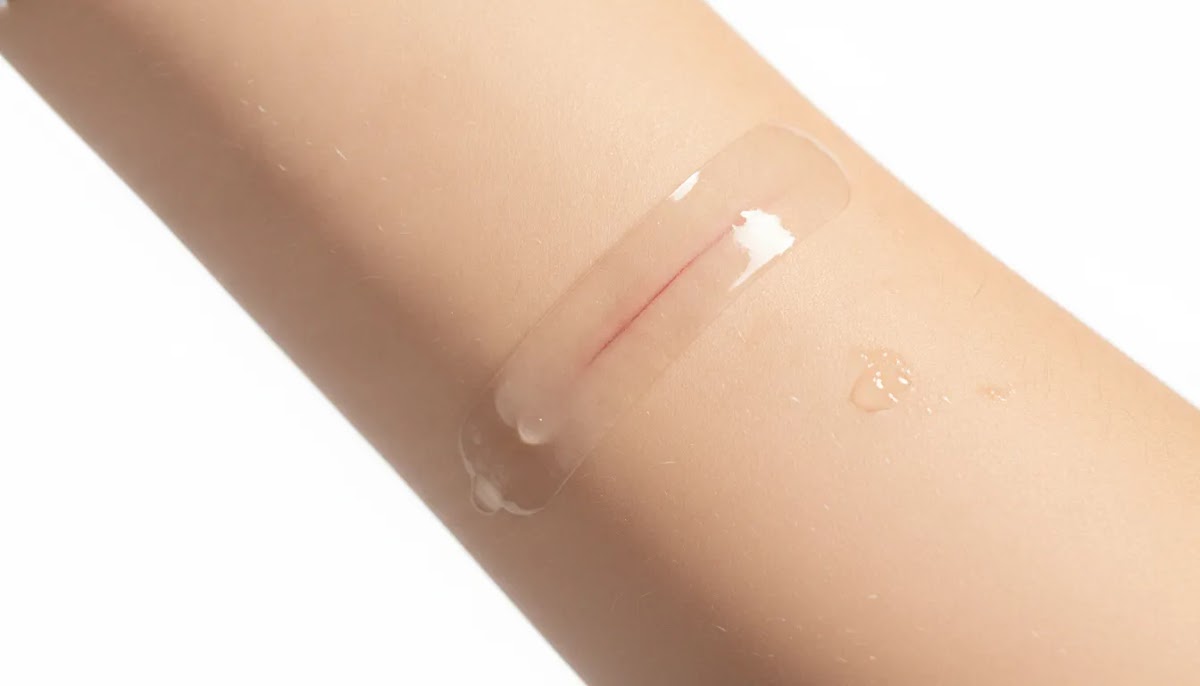
Simple nonstick dressings often work well when you need basic coverage without the material sticking to delicate skin. Gauze may help with light absorption, but plain dry gauze alone can sometimes adhere to the wound bed and disturb healing tissue during removal. Film dressings are thin transparent covers that can help shield the area while allowing visibility, though they are not right for every wound. Clinicians often choose foam dressings when a wound needs more cushioning or absorption.
Signs a wound dressing may need to be changed
A dressing usually needs attention if it becomes wet, loose, dirty, heavily saturated, or uncomfortable. Surgical teams often give a specific schedule after procedures, and that schedule should guide your decision. If you are recovering from an operation, the more detailed guide on wound healing after surgery can help you understand typical care questions and timelines.
Wound Care, Activity, Friction, and Protection
Movement can change how healing tissue behaves
A healing wound is more vulnerable to stretching, pressure, and rubbing than intact skin. This is especially true near joints, the abdomen, the shoulders, or any area where normal movement pulls on the tissue. For surgical incisions, repeated tension may contribute to delayed recovery or a wider scar later, even when the wound stays closed.
Daily wound protection does not need to be complicated
Simple adjustments often help. For example, soft clothing, less rubbing from waistbands or straps, and avoiding repeated checking or touching can lower irritation. If your wound is in an area that bends often, your clinician may recommend a dressing or support strategy that helps reduce direct friction during the day. The goal is not to avoid all movement. Instead, it is to avoid unnecessary stress on tissue that is still rebuilding.
Follow procedure-specific activity guidance for wound care
Return to exercise, lifting, stretching, and full range of motion should follow your surgeon’s or clinician’s instructions, especially after an operation. Some patients may need tighter limits for a period of time because diabetes, reduced mobility, poor circulation, or the location of the wound can make healing less predictable. If you are unsure whether a certain activity is safe, it is better to ask early than to assume the area can tolerate more than it should.
Wound Care Moisture, Ointments, and Why Drying Out Can Backfire
Moist wound healing is a clinical concept, not a trend
One of the most useful wound care basics is understanding that skin often repairs better in a controlled moist environment than in a dry, scab-cracking one. “Moist” does not mean soaked. It means the wound surface is supported, protected, and not allowed to dehydrate excessively.
When tissue dries out too much, surface cells may have a harder time moving across the wound. In addition, a dry crust can crack, bleed, and create more irritation. That is why many clinicians use ointments or specialized dressings to help maintain a balanced healing environment.
Where ointments fit in wound care
Not every wound needs the same product. Some patients are told to use petroleum-based ointment for a period of time. Others may need to avoid certain topical products, especially if adhesives, sutures, skin glue, or infection concerns are involved. The best ointment for wounds is the one that matches your wound type and your surgeon’s instructions.
If you want a deeper explanation of the science behind hydration and skin repair, read more about moist wound healing.
How to Clean a Wound Without Slowing Wound Care Progress
Gentle wound care is usually better than aggressive cleaning
Many people assume better cleaning means stronger cleaning. For routine at-home wound care, that is often not true. Scrubbing, repeated antiseptic use, and harsh cleansers may irritate healthy tissue. A wound that a clinician has already assessed often does best with the exact cleaning routine your clinician gave you, commonly involving clean water or saline and careful drying of the surrounding skin.
A simple wound care routine often works best
Wash your hands first. Remove the old dressing carefully. Look at the wound before cleaning so you notice any new redness, drainage, odor, swelling, or separation. Next, clean the area as directed, pat the surrounding skin dry, apply approved ointment if recommended, and place a fresh dressing without pulling it too tightly.
What can interfere with wound care routine
Touching the wound repeatedly, testing products without guidance, and changing the care plan every day can create confusion and irritation. If healing seems to stall despite appropriate care, the article Why Is My Wound Healing So Slowly? Causes and Fixes covers common reasons recovery may lag.
Post-Surgery Wound Care Basics
Surgical wounds have their own wound care rules
Post surgery wound care often depends on closure type, location, and procedure. Steri-Strips, staples, sutures, skin glue, drains, and compression garments can all affect daily care instructions. A routine that works for a scraped knee may not be appropriate for a cosmetic procedure or orthopedic incision.
What often matters most in the first phase
Patients are commonly told to protect the incision from tension, keep follow-up appointments, watch for increased drainage or spreading redness, and avoid adding non-approved creams too early. Movement restrictions matter because repeated pulling on a healing incision may widen the eventual scar.
Adjunctive therapies should stay secondary to basic wound care
Some patients also ask about supportive options such as light-based devices. Those may help in selected situations, but they do not replace basic wound care, dressing management, and medical follow-up. For a balanced review of one commonly discussed option, see Red Light Therapy for Wound Healing: Evidence, Benefits & How to Use.
Signs a Wound Is Not Healing Normally
Look for overall wound care progress, not perfection
Healing does not need to follow an identical timeline for every person, but most wounds should show some gradual improvement. That may mean less drainage, a smaller open area, reduced tenderness, or a cleaner, more stable appearance. If days pass without any clear progress, or if the wound begins to look worse instead of better, home care may no longer be enough on its own.
Practical signs that deserve closer attention
Delayed healing can show up in several ways: persistent drainage, wound edges that separate instead of staying together, redness or swelling that increases rather than settles, or tissue that looks increasingly irritated after an initial period of improvement. Pain that is escalating instead of easing may also deserve medical review. These signs do not always point to the same problem, but they can mean the wound needs a more specific evaluation.
Some patients need earlier follow-up
People with diabetes, circulation problems, reduced mobility, immune-related concerns, or a history of slow healing may need closer monitoring from the start. Wounds on the feet, lower legs, or high-friction surgical areas may also need more attention. If your clinician has already warned that healing may be slower in your situation, it is wise to have a lower threshold for checking in.
If you notice worsening separation, ongoing drainage, spreading inflammation, or no meaningful improvement over time, contact your surgeon, wound clinic, or healthcare provider. A wound care center may be appropriate in some cases, especially when the wound is not responding as expected or broader medical factors may be affecting repair.
How Early Wound Care Can Influence Scar Outcomes
Wound care and scar care are connected, but not identical
Good wound recovery does not guarantee a minimal scar, and a visible scar does not mean you did something wrong. Genetics, wound depth, location, tension, inflammation, and skin tone all play a role. Still, the early healing environment can affect how much irritation and prolonged inflammation the skin has to manage.
Why this matters for appearance later
Wounds that repeatedly reopen, dry out excessively, become inflamed, or experience ongoing friction may be more likely to heal with texture or color changes. Once the skin surface is closed and your clinician says scar care can begin, silicone-based scar management is commonly recommended by dermatologists and surgeons because it supports a protective environment over the scar as it remodels.
Biocorneum’s scar care range includes Biocorneum SPF 30 20g, Biocorneum SPF 30 50g, and Biocorneum Bruise Cream. For patients moving from wound closure into scar management, these products are best discussed with your surgeon or dermatologist so timing and use match your recovery stage.
If you want to understand what comes next, a scar healing timeline can help you set realistic expectations after the wound closes.
Wound Care & Recovery Articles in This Hub


Guides on advanced wound care options
Red Light Therapy for Wound Healing: Evidence, Benefits & How to Use examines whether red light therapy may support tissue repair, what the current evidence suggests, and how patients should think about device quality, timing, and safe use. It is most helpful for readers who have already learned the basics of cleaning, dressing, and moisture control and now want to evaluate an add-on approach with realistic expectations.
Guides on moist wound healing and daily care
Why Does Moist Wound Healing Work Better Than Drying Out? focuses on one of the most misunderstood parts of wound care. It explains why a controlled moist environment often supports cell movement and more orderly repair better than letting a wound dry out and crack. If the “keep it dry” advice you have heard feels confusing, this article clarifies where moisture fits and where excess wetness becomes a problem.
Wound Healing After Surgery: Timeline, Care Tips & Scar Prevention covers surgical recovery with more procedure-specific detail than this overview. It helps readers understand how incisions typically change over time, what care habits matter most after an operation, and how scar prevention fits in only after the wound is truly ready. It is especially useful if you are recovering from a planned procedure rather than a minor injury.
Best Ointment for Wound Healing After Surgery (Surgeon-Approved) explores the practical question many patients ask once they get home: which ointment should be used, and when? It compares common categories of topical support and helps explain why the answer depends on the incision, drainage level, closure method, and clinician instructions. Readers who feel uncertain in the pharmacy aisle often benefit from this focused guide.
Guides on delayed wound healing and related factors
Why Is My Wound Healing So Slowly? Causes and Fixes is aimed at readers whose recovery feels slower or less predictable than expected. It explains factors that can interfere with normal repair, including local irritation and broader health issues, and outlines what to watch for when a wound does not seem to be progressing. It is a useful next read if your wound care routine has been consistent but healing still seems stalled.
Why Does Diabetes Slow Wound Healing, and How to Help looks at a major systemic factor that can change wound behavior. It explains why blood sugar control, circulation, sensation changes, and infection risk can all shape healing outcomes. Readers with diabetes, prediabetes, or a loved one who faces these concerns may find it especially helpful because it connects everyday care habits with a broader medical picture.
Common Wound Care Mistakes
- Letting a wound dry out completely because “airing it out” seems cleaner
- Using strong antiseptics repeatedly without clinician guidance
- Keeping a wet or dirty dressing on for too long
- Picking at scabs, glue, or peeling skin
- Starting scar products before the wound is fully closed and medically ready
- Assuming all wounds follow the same timeline
- Ignoring increasing pain, odor, swelling, or spreading redness
Wound Care Pros and Cons
Strengths
- Basic wound care is accessible and usually does not require complex equipment.
- Consistent dressing and moisture management may support cleaner, more comfortable healing.
- Gentle daily routines can lower friction and reduce repeated disruption of fragile tissue.
- Early wound protection may help create better conditions for later scar management.
- Patients can often do a meaningful part of recovery at home once they have clear instructions.
Considerations
- Not every wound should be treated the same way, especially after surgery or with chronic health conditions.
- Too much moisture can be a problem if drainage is not managed well or dressings are left on too long.
- Topical products and dressings can irritate sensitive skin or conflict with surgeon instructions.
- Home care may support healing, but it does not replace evaluation of infection, wound separation, or delayed healing.
Next Steps for Wound Care and Recovery

If you are early in recovery, focus first on the basics: clean hands, gentle cleansing, an appropriate dressing, and a wound environment that is protected rather than dried out. If your main question is why moisture matters, start with the article on moist wound healing. If you are recovering from an incision, the post-surgical guide is the more specific next step. If you are seeing slow progress, delayed healing deserves closer review. You can also read more about wound healing for a broader overview.
When your wound has completely closed and your healthcare provider gives the go-ahead for scar management, exploring silicone gel options becomes a meaningful next step in your healing journey. Biocorneum delivers clinically proven scar care that you can apply conveniently at home, though the ideal start date depends on your specific wound characteristics, the procedure you underwent, and your individual medical background.
Frequently Asked Questions
Should I keep a wound covered or let it air out?
Many wounds heal better when protected with an appropriate dressing rather than left open to air all the time. Coverage may reduce friction, contamination, and moisture loss. The right approach depends on the wound type, drainage level, and your clinician’s instructions, especially after surgery.
What does moist wound healing actually mean?
Moist wound healing means maintaining a balanced healing environment where tissue is not overly dry or overly wet. This can support cell movement across the wound surface and reduce cracking or repeated disruption. It does not mean soaking the wound or trapping heavy drainage under a dressing.
How often should I change a wound dressing?
Dressing changes depend on the material used, the amount of drainage, and your medical instructions. A dressing usually needs changing if it becomes wet, dirty, loose, or saturated. After surgery, always prioritize the schedule your surgeon or care team gave you over general advice.
Is ointment always necessary for wound care?
No. Some wounds benefit from an ointment that helps prevent excessive drying, while others need a different plan based on closure type, drainage, or infection concerns. Using the wrong product can irritate the skin or interfere with healing, so it is best to follow procedure-specific guidance.
Can better wound care reduce scarring?
It may help create better conditions for orderly healing, which can support a better scar outcome. Still, scar appearance also depends on factors like wound depth, location, tension, skin type, and genetics. Good wound care supports the process, but it cannot guarantee a specific cosmetic result.
When can I start using scar gel after a wound?
Scar gel should generally be started only after the skin is fully closed and your surgeon, dermatologist, or healthcare provider says it is appropriate. Starting too early on an open or unstable wound may interfere with the recovery plan. Timing matters as much as product choice.
What are signs that a wound may need medical attention?
Seek professional guidance if you notice spreading redness, increasing pain, worsening swelling, unusual odor, pus-like drainage, fever, wound opening, or no clear progress over time. Patients with diabetes, circulation issues, or recent surgery should have a lower threshold for checking in with a clinician.
Can I use multiple wound products at once to speed healing?
Using several products at once is not usually better. Layering cleansers, ointments, antiseptics, and dressings without a clear reason can irritate tissue and make it harder to tell what is helping or harming the wound. A simple, consistent plan is often the safer choice.
Does red light therapy replace basic wound care?
No. Even if a supportive therapy has potential benefits, it does not replace cleansing, protection, dressing management, and follow-up care. Most advanced options should be viewed as possible additions, not substitutes, and should be discussed with your healthcare provider before use.
What helps a wound heal fast?
The most helpful approach is usually steady, appropriate care rather than trying to force the process. Clean hands, gentle cleansing, the right dressing, moisture balance, and protection from repeated friction may support better healing conditions. Good nutrition, rest, and following your clinician’s instructions also matter. If you have diabetes, circulation issues, or a surgical wound, your healthcare provider should guide what “fast” and normal healing look like for you.
What are the 4 stages of wound healing?
The four general stages are clotting, inflammation, tissue growth, and remodeling. Clotting helps stop bleeding. Inflammation is the early response that may bring some redness, warmth, and swelling. Tissue growth is when the wound begins rebuilding and closing. Remodeling is the longer phase when the tissue strengthens and the scar gradually matures. These stages often overlap, so healing does not always follow a perfectly neat timeline.
What are the five rules of wound care?
Many clinicians emphasize the same core basics: keep the wound clean, protect it with an appropriate dressing, maintain balanced moisture, reduce friction or repeated trauma, and watch for signs that the wound needs medical review. The exact routine may differ based on wound type, drainage, and surgery details, so personal instructions from your surgeon or healthcare provider should come first.
How do I know if a wound is not healing properly?
A wound that is not healing properly may show little to no improvement over time, continued drainage, wound edge separation, worsening redness or swelling, increasing pain, or a generally more inflamed appearance instead of a calmer one. Some people need earlier evaluation, including patients with diabetes, poor circulation, limited mobility, or immune-related concerns. If you are unsure, it is reasonable to contact your healthcare provider or wound clinic for guidance.
Wound Care Glossary
- Dressing: Material placed over a wound to protect it, manage drainage, and support healing.
- Moist wound healing: A controlled healing environment that helps prevent the wound surface from drying excessively.
- Inflammation: The body’s early response to injury, which may include redness, warmth, swelling, and immune activity.
- Incision: A surgical cut made during an operation.
- Remodeling: The later healing phase when tissue gradually strengthens and a scar matures.
- Silicone scar gel: A topical scar treatment commonly recommended after wound closure to support scar management.
Key Wound Care Takeaways
- Effective wound care usually depends on gentle, consistent daily habits rather than aggressive cleaning or frequent product changes.
- A protected moist healing environment often supports skin repair better than letting a wound dry out completely.
- The right dressing depends on the wound, drainage, and whether recovery is surgical or non-surgical.
- Early wound care and later scar care are connected, but scar products should wait until the wound is fully closed and medically ready.
- If healing seems slow or the wound is worsening, professional evaluation is more important than adding more at-home treatments.
Conclusion
Daily wound care does not need to be complicated to be effective. Clean technique, smart dressing choices, and balanced moisture can go a long way toward helping the skin recover with less disruption. For many patients, the most helpful shift is moving away from harsh “dry it out” habits and toward a steadier, more protective routine. If your wound is closed and you are beginning to think about scar appearance, speak with your surgeon or dermatologist about whether silicone-based scar care fits your next stage of recovery. You can also explore Biocorneum’s approach to science-backed scar management and continue learning through the wound healing resources across the site.
This article is for informational purposes only and does not constitute medical advice. Always consult your surgeon, dermatologist, or healthcare provider before beginning any wound or scar treatment. Home wound care does not replace professional evaluation, especially for signs of infection, wound separation, delayed healing, or procedure-specific concerns.


