

Why Does Diabetes Slow Wound Healing, and How to Help
Consider a small foot sore that lingers far longer than expected: for many people managing diabetes, this is a familiar frustration. Elevated blood sugar levels over time can compromise blood flow, dull immune defenses, and slow the skin's natural repair process, so even minor wounds like cuts, surgical sites, or blisters may need extra time to heal. Recognizing this connection early and seeking professional care promptly can help protect your health and support a smoother recovery.
A wound that seems slow can be frustrating, especially after you have been carefully following your care routine and expecting steady progress. Diabetes does not mean every wound will have complications, but it does mean that a wound deserves closer attention. Understanding what is happening beneath the skin can help you recognize why consistent glucose management, protective wound care, and timely medical review matter.
This article explains the specific ways diabetes can slow repair, what practical steps may support healing, and when a wound needs assessment from your doctor, surgeon, podiatrist, or wound care specialist.
The Short Answer
Wound recovery depends on several coordinated processes: steady oxygen and nutrient delivery, effective infection control, and proper collagen formation. For people managing diabetes, elevated blood glucose can disrupt this entire system by damaging small blood vessels, weakening immune cell function, and affecting the nerves and structural cells responsible for tissue repair. When blood sugar levels stay above your target range, or when circulation and nerve sensation are already compromised, these healing steps become significantly more difficult for your body to complete.
The encouraging part is that many risks can be addressed. A care plan that includes glucose management, wound protection, pressure relief when needed, nutrition, and regular clinical monitoring may support a safer healing process.
The Stages of Wound Healing
Healing usually follows a sequence, although the stages overlap. Hemostasis begins immediately after an injury, as blood clots to limit bleeding. Inflammation follows as immune cells clear bacteria and damaged tissue. Mild redness, warmth, and swelling can be expected early signs of this process, particularly after surgery or a minor injury.
During proliferation, the body builds new tissue. Fibroblasts produce collagen, small blood vessels develop, and the wound gradually fills in and closes. Remodeling is the longer final stage, when collagen is reorganized and the new tissue gains strength. A scar may continue to change in color, thickness, and texture for many months as this process continues.
Diabetes may affect more than one stage rather than slowing healing through a single mechanism. High glucose can alter immune activity during inflammation, impair new blood vessel formation during tissue growth, and affect collagen remodeling. A wound that is not progressing as expected may remain open, develop increasing drainage, or show worsening redness, pain, swelling, or odor. Contact your healthcare provider if you are unsure whether changes are part of normal early healing or need assessment.
1. High Blood Sugar Disrupts Tissue Repair
Wound healing depends on cells communicating at the right time. After an injury, your body sends immune cells to clear damaged tissue, then sends fibroblasts, the cells that help make connective tissue, to lay down collagen. Collagen is a structural protein that gives newly healed skin strength.
High blood glucose may interfere with these coordinated signals. Excess glucose can contribute to oxidative stress, an imbalance in which reactive molecules can damage cells and tissues. Research on diabetic wound healing describes how this environment may impair the activity of cells needed to close and rebuild a wound. Published research on diabetic wound-healing science also links diabetes with changes in inflammation, cell migration, and tissue repair.
For someone recovering from surgery, this may mean an incision stays tender, red, or fragile longer than expected. It does not mean the incision will necessarily have a poor outcome, but it does make your surgeon’s follow-up instructions especially important.
2. Reduced Circulation Limits Oxygen Delivery
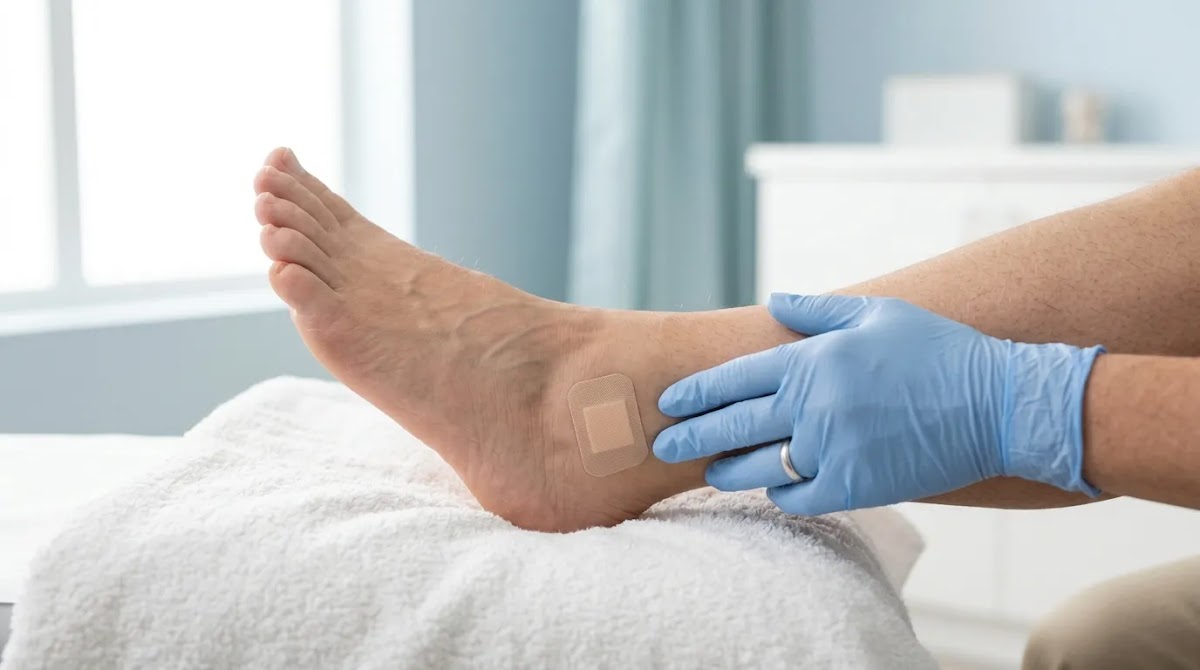
Blood flow supplies a wound with oxygen and nutrients, while also carrying away metabolic waste. Diabetes can damage small blood vessels over time and may contribute to peripheral artery disease, a narrowing of arteries that can reduce blood flow to the legs and feet.
New blood vessel growth, called angiogenesis, is a central part of repair. In plain language, the body must build a fresh supply route to support growing tissue. Research suggests diabetes can impair this process, leaving the wound with less oxygen and fewer resources for repair. Research on diabetes and wound angiogenesis describes how diabetes-related changes can affect the signals involved in new vessel formation.
This is one reason diabetic foot wound healing requires careful monitoring. A wound on the foot may be exposed to repeated pressure from walking while also receiving less blood flow than it needs. If your toes or feet are often cold, pale, bluish, painful at rest, or slow to recover after a minor injury, contact a healthcare professional promptly.
3. Diabetes Can Prolong Inflammation
Inflammation is an early and necessary part of healing. It helps your body control bacteria and clear away damaged tissue. The problem is not inflammation itself, but inflammation that lasts too long or does not shift into the rebuilding phase.
Macrophages, a type of immune cell, help direct this transition. Early in healing, they help clean the wound. Later, they support repair and new tissue growth. Diabetes may disrupt this shift, which can leave a wound in an extended inflammatory state rather than moving forward efficiently. Research on macrophage activity in diabetic wounds explores this altered immune response.
Long-lasting inflammation may show up as a wound that remains persistently swollen, fragile, or slow to fill in. Infection is not the only possible cause, but increased warmth, spreading redness, new drainage, fever, worsening pain, or an unpleasant odor needs timely medical attention.
4. Nerve Damage Can Hide a Wound
Diabetic neuropathy is nerve damage related to diabetes. It can reduce sensation, most often in the feet. If you do not feel pain, rubbing, heat, pressure, or a small injury as clearly as usual, a minor skin problem can continue unnoticed.
A person may develop a blister from a shoe, step on a small object, or place repeated pressure on one area of the foot without recognizing the problem. Continued pressure can deepen the injury and delay healing. This is why daily foot checks are often part of diabetes care, especially if you have numbness, tingling, burning sensations, or a prior foot ulcer.
Use a mirror to check the soles of your feet if bending is difficult, or ask a caregiver for help. Look for cracks, blisters, calluses, cuts, color changes, swelling, or drainage. Do not try to trim corns or calluses yourself if you have reduced sensation. A podiatrist can advise on safer care and footwear options.
What About the Downsides?
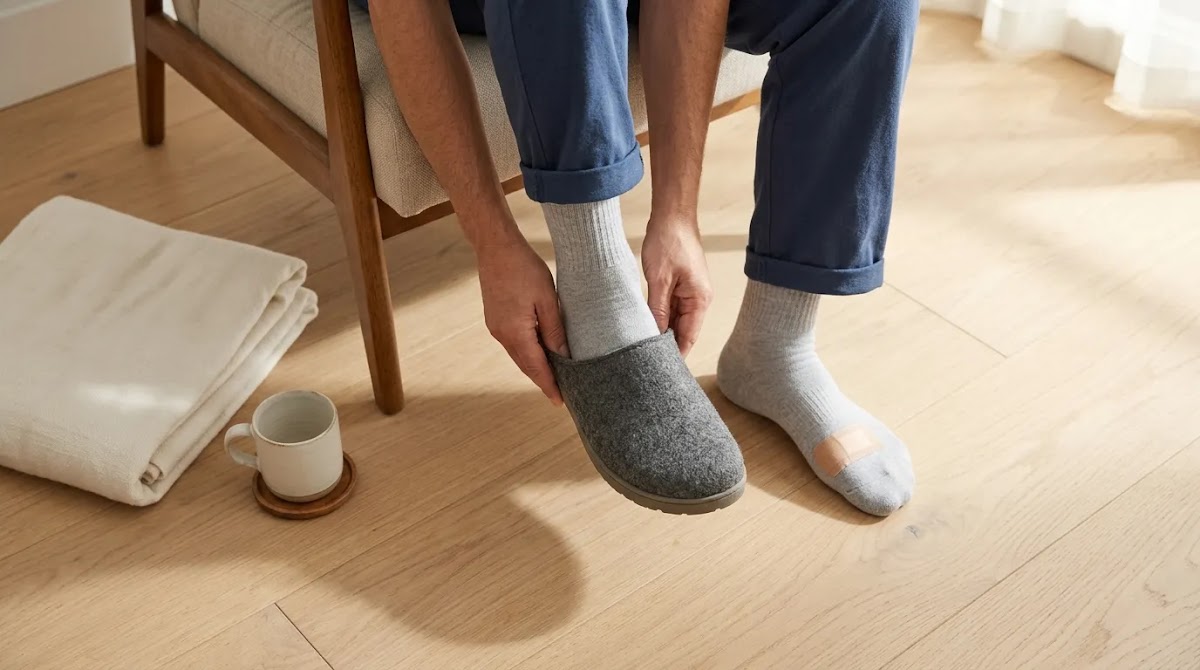
Home care has limits, particularly for diabetes-related wounds. A common concern is trying several ointments, dressings, or home remedies while waiting for a wound to improve. This can delay assessment of circulation problems, infection, pressure injury, or a wound that needs clinical debridement, which means removal of unhealthy tissue by a trained professional.
Keeping a wound protected and appropriately moist can support repair, but moisture should be controlled rather than excessive. A dressing that traps too much fluid may irritate the surrounding skin, while a wound that dries and cracks may be more vulnerable to reopening. Our overview of moist wound healing explains why the goal is balance, not a wet wound.
Scar-focused products also have a specific place in recovery. Silicone products are generally intended for intact, closed skin and scar management, not for an open, draining, infected, or unhealed diabetic wound. Your clinician should confirm when the wound has closed enough for scar care to begin.
When Does This Not Apply?
Not every slow-healing wound in a person with diabetes is caused by diabetes alone. A surgical incision may heal slowly because of tension on the closure, reaction to adhesive, fluid collection beneath the skin, infection, medication effects, poor nutrition, smoking, or a procedure-specific complication.
Some people with well-managed diabetes and healthy circulation heal within an expected timeframe. Others may have normal glucose readings but develop a wound problem related to pressure, friction, or reduced arterial blood flow. The wound’s location, depth, drainage, appearance, and your overall health all matter.
For this reason, do not judge healing only by comparing your wound with another person’s recovery. Your surgeon or wound care clinician can assess the wound itself, check for causes that need treatment, and set expectations based on your procedure or injury.
Other Factors That Can Delay Healing
Blood sugar is one part of the picture. Smoking can narrow blood vessels and reduce oxygen delivery to damaged tissue. Poor nutrition, including inadequate protein or calories, can leave the body with fewer building blocks for new tissue. Excess alcohol use may affect nutrition, immune function, and blood sugar management.
Reduced mobility can increase pressure on vulnerable areas, especially the heels, hips, or feet. Swelling may place tension on the skin and interfere with circulation. Some medications, including those that suppress immune activity, may also affect the body’s ability to respond to injury. Stress, illness, and sleep disruption can make glucose management and regular wound care more difficult during recovery.
These factors do not mean that healing will necessarily be delayed, but they can help explain why one wound needs more support than another. Review smoking, nutrition, medications, mobility, swelling, and alcohol use with the healthcare provider treating your wound so they can build an individualized care plan around the causes that apply to you.
Practical Steps That May Help

The most useful plan for diabetes wound healing is usually consistent rather than complicated. Follow the instructions from the clinician treating your wound, including dressing changes, bathing restrictions, activity limits, and follow-up appointments. For foundational guidance on cleaning, protecting, and observing a wound, visit our wound care overview.
- Work with your diabetes care team on glucose management. Ask what blood glucose range is appropriate for you during recovery and how illness, surgery, appetite changes, or medication adjustments may affect it.
- Inspect wounds and feet every day. Check for new redness, warmth, swelling, drainage, darkened skin, blisters, or separation of an incision.
- Protect the area from pressure and friction. Use clinician-recommended footwear, off-loading devices, or activity modifications if a wound is on the foot or another high-pressure area.
- Support your body with regular meals and fluids. Protein and overall calorie intake can matter during repair, especially if illness or a reduced appetite has made eating difficult. Ask your care team for individualized nutrition advice if you have kidney disease or dietary restrictions.
- Keep all follow-up appointments. A clinician can measure the wound, assess circulation, and identify changes that are difficult to judge at home.
Picture this: your incision has closed, your surgeon has given the green light, and now the focus shifts to how that scar will look and feel over time. At this stage, silicone consistently earns the trust of dermatologists and plastic surgeons as a go-to topical approach for scar care. Working within your provider's guidance, a clinically formulated option like Biocorneum's silicone gel can play a role in refining scar texture and appearance as healing progresses. Keep in mind that silicone gel is meant for closed, healed skin, never apply it to an open wound unless your healthcare provider has explicitly advised you to do so.
Postoperative wounds also need protection after closure because stretching, sun exposure, and friction can influence how a scar matures. Read more about post surgery scar care after your clinician confirms that scar treatment is appropriate.
When a Wound Care Center May Help
A wound care center may be appropriate when a wound is not improving as expected, especially if you have a diabetic foot wound, poor circulation, repeated pressure on the area, or concerns about infection. These teams can assess the wound’s size and depth, drainage, tissue health, blood flow, infection risk, and possible pressure-related causes that may be limiting repair.
Care may include clinician-directed dressing selection, debridement of unhealthy tissue, off-loading support to reduce pressure, and evaluation of circulation. Some patients may need vascular testing or referral to a vascular specialist if blood flow appears limited. The goal is to identify barriers to healing and address them with a plan that fits the wound and your overall health.
Your primary care clinician, surgeon, endocrinologist, or podiatrist can help determine whether a referral is appropriate. Seek prompt medical assessment for any new foot wound or for a wound that becomes larger, more painful, increasingly red, swollen, draining, or otherwise different from what your healthcare provider expected.
Frequently Asked Questions
Can high blood sugar keep a wound from healing?
High blood sugar may make healing slower by affecting circulation, immune responses, inflammation, and collagen production. It can also make infection more likely and may contribute to nerve damage that allows small wounds to worsen before they are noticed. This does not mean a wound cannot heal, but it does mean glucose management is an important part of the treatment plan. Speak with the clinician managing your diabetes about your personal glucose targets, especially after surgery, illness, or an injury that changes your usual eating or medication routine.
What does a diabetic wound look like?
A diabetic wound can look different depending on its cause and location. It may appear as a cut that does not close, a blister, a crack in dry skin, a sore beneath a callus, or an area of skin that becomes red, swollen, or draining. Foot wounds may not be painful if neuropathy has reduced sensation. Seek medical care promptly for a new foot sore, darkened or discolored skin, spreading redness, drainage, odor, fever, or a wound that is getting larger rather than steadily improving.
What types of wounds can diabetic patients develop?
People with diabetes may develop surgical wounds, cuts, skin tears, blisters, burns, cracks in dry skin, pressure injuries, or foot ulcers. A diabetic foot ulcer is an open sore that often develops where repeated pressure, friction, calluses, reduced sensation, or poor circulation affect the foot. Small injuries can be easy to miss if neuropathy limits pain or sensation. A healthcare provider should assess any new foot wound promptly and can recommend the right dressing, pressure relief, and follow-up plan.
What are the common causes of abscesses in diabetic patients?
An abscess is a pocket of pus that can form when bacteria enter through a break in the skin, a hair follicle, or an existing wound. High blood sugar may make it harder for immune cells to control infection, while reduced sensation can allow a small cut, blister, or pressure area to go unnoticed. An abscess may require medical drainage and prescribed treatment, so do not try to squeeze or drain it at home. Contact a healthcare provider promptly for a painful lump, spreading redness, drainage, fever, or a wound that is worsening.
What is the relationship between boils and diabetes?
A boil is an infection involving a hair follicle and surrounding skin. Diabetes does not directly cause boils, but elevated blood sugar may increase the chance of skin infections and may make them more difficult to resolve. Recurrent boils can also be a reason to review glucose management and other contributing factors with a healthcare provider. Keep the area clean, avoid squeezing the boil, and seek medical guidance if it enlarges, causes fever, appears on the foot, or does not improve as expected.
How long does diabetic wound healing take?
There is no single timeline for diabetic wound healing. A small, superficial wound with good blood flow may improve steadily, while a deeper wound, a foot ulcer, or a surgical incision affected by infection or pressure may take much longer. Your clinician will consider the wound’s depth, location, circulation, blood glucose trends, infection status, and whether repeated pressure is affecting the area. Ask what changes they expect to see between visits, rather than relying on a general timeline found online.
What is the best diabetic wound healing ointment?
The best topical treatment depends on whether the wound is open, dry, draining, infected, or already closed. Some wounds need a specific dressing rather than an ointment, and some require professional cleaning or pressure relief before a topical product can help. Avoid applying a new ointment to a diabetic wound without guidance from the clinician treating it. For a closed surgical incision that has transitioned to scar care, ask your surgeon whether silicone-based scar treatment may be appropriate for your recovery stage.
Should I keep a diabetic wound covered?
Many diabetic wounds benefit from a clinician-selected dressing because it can protect the area from friction, bacteria, and excess drying while managing drainage. The right dressing depends on how much fluid the wound produces, whether the surrounding skin is fragile, and the wound’s depth and location. A foot wound may also need pressure relief through special footwear or an off-loading device. Do not assume that exposure to air is best, and do not keep a dressing in place longer than instructed by your healthcare team.
Can I use silicone scar gel on a diabetic wound?
Think of silicone scar gel as the next phase of care, not the first: it belongs on skin that has already closed, not on wounds that remain open, draining, infected, or otherwise unhealed, including diabetic wounds, unless your clinician advises differently. Before introducing any scar treatment, confirm with your surgeon or dermatologist that healing is complete and your skin is ready for this next step. Once that milestone is reached, Biocorneum's silicone-based gel becomes a solution worth discussing as part of a comprehensive approach to minimizing scar appearance.
Why are diabetic foot wounds especially concerning?
Foot wounds can face several barriers at once: reduced circulation, reduced sensation, repeated pressure from standing or walking, and difficulty seeing the sole of the foot. A blister or small cut may become deeper if it is not noticed or protected. Prompt evaluation is especially important if you have diabetes and develop any open area on your foot. A podiatrist or wound care specialist can assess sensation, circulation, footwear, pressure points, and the need for specialized dressings or off-loading.
Can better circulation help a wound heal?
Healthy circulation supports wound healing by delivering oxygen, nutrients, and immune cells to the damaged area. If a clinician suspects poor circulation, they may examine pulses, skin temperature, color, or order tests that assess blood flow. Treatment may involve medication review, vascular care, smoking cessation support, movement guidance, or referral to a specialist, depending on the cause. Do not use heat pads or aggressive massage on a numb foot to try to improve circulation, since reduced sensation can increase the risk of skin injury.
When should I call my doctor about a wound if I have diabetes?
Contact your healthcare provider promptly for any new foot wound, an incision that opens, increasing redness or warmth, swelling, pus-like drainage, foul odor, fever, worsening pain, or skin that turns dark, pale, or blue. You should also call if the wound is not making the progress your clinician expected. Diabetes can make it harder to judge severity based on pain alone, particularly with neuropathy. Early assessment may allow your care team to address infection, pressure, circulation, or blood glucose concerns before the wound becomes more difficult to manage.
Key Takeaways
- Diabetes may slow wound healing by affecting blood sugar balance, circulation, inflammation, immune function, and sensation.
- Diabetic foot wounds need prompt attention because pressure and neuropathy can allow a small injury to worsen without much pain.
- Appropriate dressings and controlled moisture may support healing, but the best approach depends on the wound’s condition.
- Silicone scar care belongs after the wound has fully closed and your clinician confirms that scar treatment is appropriate.
- New drainage, spreading redness, swelling, fever, color changes, or wound separation should be assessed by a healthcare professional.
Conclusion
Diabetes can make wound repair more demanding, but you do not have to manage that uncertainty alone. Paying attention to glucose management, daily skin checks, pressure protection, and follow-up care gives you and your healthcare team useful opportunities to support healing. A wound that changes, stalls, or worsens is not a personal failure. It is a reason to seek assessment and make sure the care plan matches what the wound needs.
Once the incision has fully closed, many patients shift their focus to how the resulting scar will look over time. This is where silicone-based solutions, such as Biocorneum's clinically developed scar gel, can play a meaningful role, helping to support the skin's natural healing process when your surgeon or dermatologist recommends it. As always, prioritize proper wound closure and expert medical advice first, then introduce a scar care regimen tailored to your unique healing journey.
Medical Disclaimer: This article is for informational purposes only and does not constitute medical advice. Always consult your surgeon, dermatologist, podiatrist, wound care specialist, or other qualified healthcare provider before beginning any wound or scar treatment. Seek prompt medical care for signs of infection, wound deterioration, or any new foot wound if you have diabetes. Biocorneum is not a substitute for professional medical care.
Sources
- Diabetic Wound-Healing Science — Medicina (Kaunas, Lithuania), 2021
- Macrophage polarization and diabetic wound healing — Translational research : the journal of laboratory and clinical medicine, 2021
- Diabetes and Wound Angiogenesis — International journal of molecular sciences, 2017


