

Scar Healing Timeline: Week-by-Week Scar Guide
A scar healing timeline can feel confusing in the first few weeks. You glance at a healing incision in the bathroom mirror and wonder if what you are seeing is normal. Yesterday it looked flatter. Today it seems pinker. Maybe it feels firm at one end and slightly itchy at the other. That uncertainty is common after surgery, a burn, or an injury.
Your scar healing timeline usually unfolds over months, not days. Early redness, tightness, and texture changes often reflect active healing, not failure. The skin is closing, building collagen, and then slowly remodeling that collagen into a more organized scar. Understanding this scar healing timeline can help you know when a scar is progressing normally, when it may be ready for scar care, and when it is smart to check in with your surgeon or dermatologist. This guide walks you through what scars often look like week by week and month by month, with realistic expectations about fading, texture, and timing.
Why the scar healing timeline changes so much early on
A new scar is active tissue. It is not just a line on the skin. It is part of a biologic repair process that continues well after the wound surface closes. If you want a broader view of the scar healing stages, it helps to know that inflammation, collagen production, and remodeling overlap rather than happen in a perfectly neat sequence.
Early on, your body sends blood flow, immune cells, and structural proteins to the area. That is one reason a scar may look red or pink and feel warm, raised, or itchy. Later, collagen fibers begin to reorganize. As a result, a scar can look more noticeable before it starts to soften and fade.
If you are trying to understand how scars form, the short answer is that your skin is prioritizing closure and strength first. Appearance improves more gradually. That delay can be frustrating, but it is also normal.
Week-by-week scar healing timeline
No two scars heal on exactly the same schedule. Location, skin tone, wound depth, tension on the incision, genetics, age, and sun exposure all matter. Still, many patients find it helpful to have a general scar healing timeline.
Days 1 to 7 in the scar healing timeline
During the first week, the body focuses on sealing the wound and preventing infection. You may notice swelling, tenderness, bruising, or a shiny surface. A surgical incision may look puckered or uneven at first, especially near stitches or adhesive strips.
This period is usually more about wound care than scar treatment. Follow your surgeon’s instructions closely. In addition, a product meant for scar management should only be started when the wound is fully closed and your healthcare provider says the skin is ready. For a refresher on basic wound care, follow provider guidance first.
Weeks 2 to 4 in the scar healing timeline
This stage surprises many people. The wound may look closed, yet the scar can seem darker, firmer, or more raised than expected. That does not always mean something is wrong. Your body is laying down collagen, the structural protein that helps repair injured skin.
You might also feel itching or tightness. Those sensations are common during healing. If you want to compare this stage of the scar healing timeline with the broader wound healing timeline, remember that skin closure and scar maturation are not the same thing.
Weeks 4 to 8 in the scar healing timeline
By the second month, many scars are still pink or red, but some start to flatten slightly. Firmness may remain. On areas that move a lot, such as the shoulder, knee, abdomen, or chest, the scar may stay thicker longer because the skin is under more tension.
This is often the point when your clinician may discuss early scar management if the skin is intact. Silicone is widely considered the gold-standard topical ingredient for scar care by many dermatologists and plastic surgeons because it may help support hydration and a more balanced healing environment. You can also review does silicone gel work on scars for more background.
Internal scar tissue timelines in the scar healing timeline
It can be confusing when the skin looks closed, but the area still feels tight, stiff, or tethered when you move. Part of the reason is that healing is not only happening at the surface. Collagen remodeling also occurs deeper in the tissues beneath the skin. That internal remodeling can create a pulling sensation even while the incision line looks relatively calm.
Why internal tightness can last longer
If you are wondering how long scar tissue takes to form internally, the general pattern is similar to surface healing. Scar tissue can begin developing early as the body lays down collagen to stabilize the injured area. Remodeling continues for months as that collagen gradually reorganizes. The deeper the surgery or injury, and the more motion and tension the area experiences, the more you may notice internal tightness during daily activity.
This is especially common near joints, such as the knee, shoulder, ankle, elbow, or wrist, where the skin and deeper tissues need to glide smoothly for full range of motion. It can also show up after abdominal surgery, including C-sections, where bending, standing upright, and core engagement place new demands on healing tissue.
When movement issues deserve a check-in
Some stiffness is expected after many procedures, and your surgeon or physical therapist may give you a rehabilitation plan to help you regain comfortable movement safely. Follow that plan closely. As a result, the right progression of movement and strengthening can support recovery. Contact your surgeon, dermatologist, or physical therapist if you notice a meaningful loss of range of motion, increasing tightness that makes everyday tasks harder, or a joint that feels progressively more restricted instead of gradually improving.
In orthopedic recovery, clinicians may also watch for conditions such as arthrofibrosis, which is excessive scar tissue that can limit motion. Most people do not need to panic about this possibility, but persistent or worsening limitation is worth a professional check-in so you can get guidance early. For example, the American Academy of Orthopaedic Surgeons offers patient education on joint recovery and movement concerns.
Topical scar care can be an important part of surface scar management once your provider confirms the incision is ready, but it is not a substitute for post-operative rehabilitation or medical evaluation when movement is affected. If you feel stuck between “looks healed” and “does not move right,” your care team is the right place to start.
What you may notice by month in a scar healing timeline
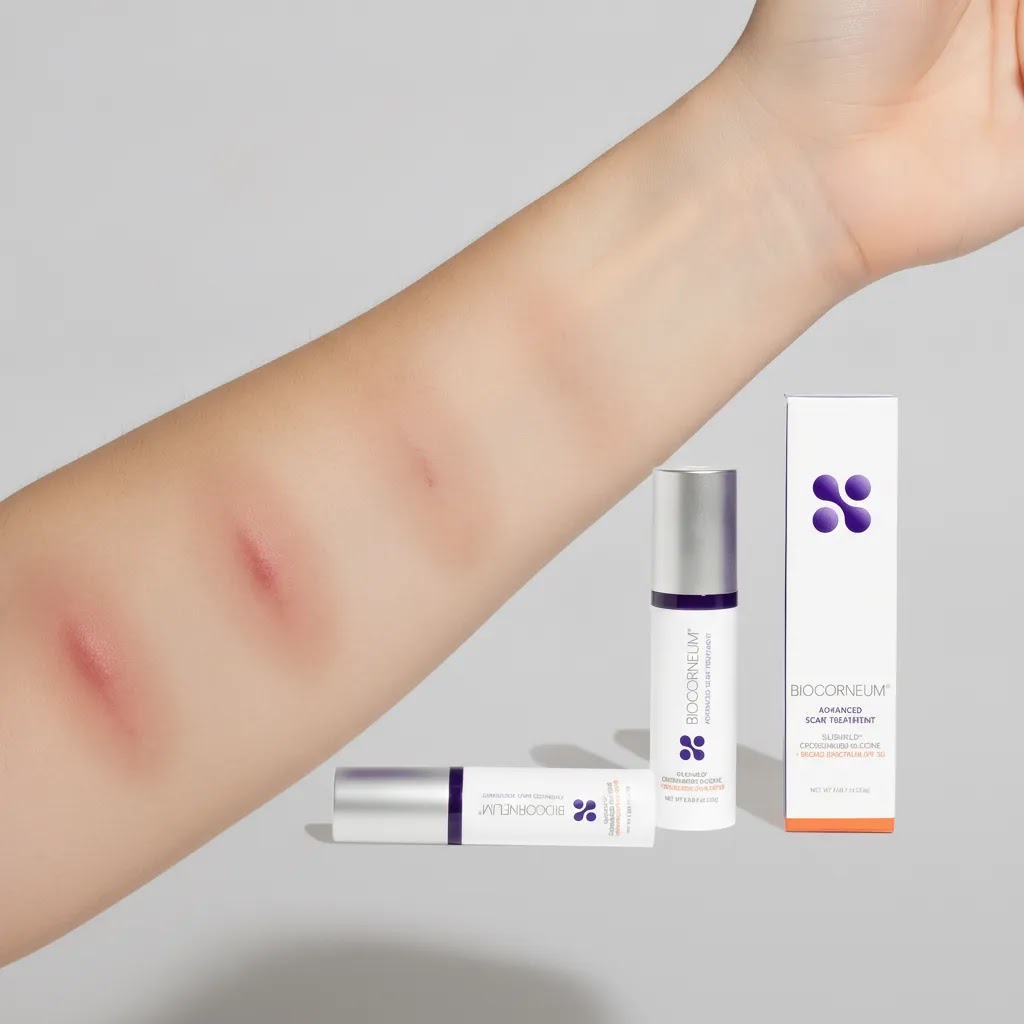
The scar healing timeline is usually easier to understand in monthly checkpoints than daily mirror checks. Small day-to-day changes can be misleading. Month-to-month progress is often more meaningful.
| Time period | What a scar may look or feel like |
|---|---|
| Days 1 to 7 | Swelling, tenderness, bruising, shiny surface, or a puckered incision near stitches or adhesive strips |
| Weeks 2 to 4 | Darker color, more firmness, raised appearance, itching, or tightness as collagen builds |
| Weeks 4 to 8 | Still pink or red, sometimes slightly flatter, but often firm in high-tension areas |
| Months 2 to 3 | Pink, red, brown, or purple color with rope-like, lumpy, or stiff texture |
| Months 3 to 6 | Gradual fading and slow flattening may begin |
| Months 6 to 12 | Ongoing lightening, softening, and less prominent appearance |
| After 12 months | Some surgical, burn, or injury scars still continue maturing |
Months 2 to 3 in the scar healing timeline
Many scars are still colorful and obvious at this point. A scar may look pink, red, brown, or purple depending on your skin tone and the depth of the injury. Texture can still feel rope-like, lumpy, or stiff. This is a common window for hypertrophic scars, which are raised scars that stay within the boundaries of the original wound, to become more noticeable.
Months 3 to 6 in the scar healing timeline
For many people, the scar starts to look less angry during this period. Color may begin to fade, and the raised area may slowly flatten. That improvement is often gradual. If you are seeing changes only every few weeks, that is still progress.
Patients who are ready for silicone-based care sometimes explore educational resources on silicone gel for scars. A silicone-based option such as Biocorneum’s scar gel may fit into a provider-guided plan once the wound has fully closed, but timing should always match your own recovery status.
Months 6 to 12 in the scar healing timeline
This is the period when many scars continue to lighten, soften, and become less prominent. A scar may still feel slightly different from surrounding skin, and some color difference can remain. That does not mean healing has stopped. Collagen remodeling can continue quietly for many more months.
After 12 months in the scar healing timeline
The answer to “when does scar stop changing” is often later than people expect. Some surgical, burn, or injury scars continue maturing for 12 to 18 months, and sometimes longer. Larger wounds and high-tension areas may take more time to settle.
How to read your scar healing timeline at 3 months
Three months can feel like a turning point. You are far enough from the procedure or injury that you may expect the scar to be “done,” but many scars are still in an active phase at this stage. Normal healing at three months is often more about direction than perfection. A scar that is still visible can be healing normally if it is gradually becoming more stable and less reactive over time.
What can still be normal at 3 months
Many scars around the 3-month mark are still pink or red, and on some skin tones they may look brown or purple. You may also notice that the scar is firmer or slightly raised, especially along the thickest part of the incision or where the skin is under tension. Mild itchiness, intermittent sensitivity, or a tight feeling with stretching can also be part of typical healing as nerves recover and collagen continues remodeling.
“Normal but annoying” symptoms often include:
- Color that varies from one end of the scar to the other
- Firmness that is more noticeable in the center of the incision
- Itching that comes and goes rather than steadily worsening
- Mild sensitivity when clothing rubs the area
- Tightness with movement that slowly improves month to month
How to track progress more clearly
What usually trends in the right direction is a slow decrease in redness, thickness, itch, and tenderness across the months, even if that change is subtle from week to week. Some scars look flatter before they fade. Others fade first and soften later. Both patterns can fall within a normal scar maturation timeline.
If you want a simple way to track progress, consider taking a photo about once a month in consistent lighting and from the same distance. Day-to-day comparisons can make normal fluctuations feel bigger than they are. Monthly photos often give a more accurate picture of whether the scar is gradually settling.
Signs the scar healing timeline may need medical review
You should still check in with your surgeon, dermatologist, or qualified healthcare provider if something feels like it is moving in the wrong direction, especially if symptoms are escalating instead of stabilizing. Increasing pain, spreading redness, warmth, drainage, wound reopening, fever, or a scar that becomes rapidly thicker can signal an issue that deserves professional evaluation.
Earlier guidance can be helpful if you are concerned about raised scarring, persistent discomfort, or a scar that seems to be restricting movement. If you are dealing with itching, tenderness, or pulling, this guide on scar tissue pain may help you compare common symptoms.
What affects how fast a scar settles
Even if two people have the same procedure, their scars may mature differently. That variation is one reason scar photos online can be helpful for orientation but not for strict comparison.
Several factors may influence scar healing over time:
- Wound depth and size
- Location on the body
- Amount of tension or movement across the scar
- Skin tone and genetic tendency toward raised scars or keloids
- Sun exposure during healing
- Smoking, nutrition status, and general health conditions
- How early and consistently scar care begins, once medically appropriate
A cesarean section scar, for example, may mature differently than a small cosmetic incision because the lower abdomen is exposed to stretching, waistbands, and friction. A child’s injury scar may also change differently than an adult’s surgical scar. These differences are not a sign that you did something wrong.
You can browse more educational content in Scar Science and Wound Healing if you want a wider view of the biology behind those differences.
Recovery support beyond topical care, nutrition and lifestyle factors that can slow healing

Topical scar care can play a role in how a scar matures once your provider confirms the skin is ready, but scars are also influenced by your overall recovery environment. Tissue repair is energy-intensive, and the body needs raw materials to rebuild skin and support collagen remodeling.
Nutrition and the scar healing timeline
Nutrition is one area that is easy to underestimate. Adequate protein intake supports wound repair because protein provides amino acids that the body uses to build and reorganize tissue. Many people also benefit from a balanced diet that includes key micronutrients involved in skin health and healing. If your diet has been limited after surgery, or if you have had appetite changes, it may be worth asking your healthcare provider whether a nutrition plan is appropriate for your situation.
Some dietary patterns may slow healing for certain people. Diets that are consistently high in added sugar and highly processed foods can contribute to inflammation and less stable blood sugar, which may interfere with efficient tissue repair. Alcohol in excess can also make recovery harder by disrupting sleep, hydration, and overall healing capacity. You do not have to eat perfectly to heal well, but steady nourishment and hydration can support the work your body is doing. If you want more detail, see foods to avoid during wound healing.
Lifestyle habits that affect healing speed
Lifestyle factors matter too. Smoking is consistently associated with delayed healing because it reduces oxygen delivery to tissues and can impair circulation. If you smoke or use nicotine, talk with your surgeon or healthcare provider about cessation support and what timing makes sense around your procedure and recovery.
Sleep and stress management can also affect recovery. Sleep is not just rest. It is when many repair processes happen. If pain is limiting sleep, your provider may be able to adjust your plan. Protecting the incision area from friction and unnecessary tension can help as well. Waistbands, tight bras, athletic straps, and repetitive stretching over the scar can irritate healing skin in some cases. If you are unsure what level of movement is appropriate, follow your surgeon’s instructions and ask before making changes, especially after major surgery.
Medical factors that can change a scar healing timeline
Individual medical factors deserve extra attention. Diabetes, vascular disease, autoimmune conditions, certain medications, and nutritional deficiencies can all influence healing speed and scar maturation. If you have a health condition that affects circulation or immune function, get personalized guidance from your surgeon, dermatologist, or qualified healthcare provider. The right plan is the one that fits your medical history and the specific wound you are healing.
For general wound-healing guidance, the American Academy of Dermatology offers patient-friendly information on wound care and scar prevention.
When scar care usually begins in the scar healing timeline
Many patients ask the same question: if earlier care matters, how early is too early? The safest answer is that scar treatment usually begins after the wound is fully closed, there is no drainage, and your surgeon or dermatologist confirms the area is ready.
Do not apply scar products to an open wound unless your healthcare provider specifically tells you to do so. Skin that still has gaps, scabs that are not ready to lift, or signs of irritation needs medical guidance first.
Why silicone is commonly recommended
Silicone has strong clinical support in scar management and is commonly recommended by dermatologists, plastic surgeons, and wound care specialists. It works at the skin surface, where it may help maintain hydration of the stratum corneum, the outermost layer of skin, and create a protective environment that supports smoother scar maturation.
For patients comparing next steps later in recovery, reviewing scar treatment options can help place silicone, injections, lasers, and other approaches in context. Biocorneum offers silicone-based products intended for at-home scar care, including scar gel formats and a bruise cream listed on its current product pages. If you want to learn more about the brand’s scar gel formulations, you can explore the available product pages such as Biocorneum SPF 30 20g or Biocorneum SPF 30 50g.
Consistency matters more than perfection


Scar care usually works on a long timeline. Missing a day is not the whole story. What matters more is steady use over weeks and months, paired with sun protection and follow-up care when needed.
Signs to ask a healthcare provider
Some changes are expected during scar maturation. Others deserve a closer look. You should contact your surgeon, dermatologist, or qualified healthcare provider if you notice increasing pain, spreading redness, drainage, fever, wound reopening, or sudden swelling.
You should also ask about evaluation if the scar becomes rapidly thicker, grows beyond the wound edges, or stays intensely itchy and uncomfortable for a prolonged period. Those changes may reflect a hypertrophic scar or keloid tendency, and earlier treatment planning may help.
Visible change alone is not always a problem, but worsening symptoms should not be ignored. Getting advice early can give you more options and more peace of mind.
Frequently Asked Questions
How long does a scar take to heal completely?
Most scars do not reach their more settled appearance for many months. Surface healing may happen in days or weeks, but true scar maturation often takes 6 to 12 months and sometimes 12 to 18 months, especially after surgery, burns, or deeper injuries. A scar can keep changing in color, thickness, and softness long after the wound looks closed. That is why early mirror checks can feel discouraging. If you are unsure whether your timeline is normal, your surgeon or dermatologist can compare what you are seeing with your specific procedure or injury.
Why does my scar look worse before it looks better?
This is a very common part of the scar healing timeline. In the early weeks, your body is sending blood flow and building collagen to strengthen the area. That can make a scar look redder, firmer, or more raised than you expected. The scar is not necessarily getting worse in a harmful way. It is often becoming more active before remodeling begins. Over time, many scars gradually soften and fade. If the scar becomes painful, drains, or extends beyond the original wound edges, it is a good idea to get medical guidance.
When does a scar usually start to fade?
Many scars begin to show some fading between 2 and 6 months, but the pace varies widely. A small, low-tension incision may lighten sooner than a larger abdominal or burn scar. Skin tone also affects how fading appears. On some people, redness softens first. On others, the scar remains darker for longer before it slowly blends. Sun protection matters during this phase because ultraviolet exposure may deepen discoloration. If your healthcare provider recommends silicone treatment, starting it at the right time may support a more favorable appearance over the months ahead.
How should a scar look after 3 months?
At around 3 months, many scars are still in an active phase. It is common for a scar to remain pink or red, or to look darker depending on your skin tone. Some firmness, mild thickening, and intermittent itchiness can also be normal. The more meaningful sign is whether the scar is gradually stabilizing and trending toward less redness, less tenderness, and a more even texture over time. If the scar is becoming increasingly painful, hot, swollen, or rapidly thicker, or if you have drainage or wound reopening, contact your surgeon, dermatologist, or qualified healthcare provider for evaluation.
How do I know if my scar is healing properly?
Many scars heal properly even when they look imperfect for several months. A typical pattern is that symptoms and appearance slowly become less intense over time, even if progress is easier to see month to month than day to day. Mild itch, sensitivity, and firmness can be part of normal healing. If you notice increasing pain, spreading redness, warmth, drainage, fever, wound reopening, or a sudden increase in swelling or thickness, those symptoms deserve medical guidance. If you are unsure, your surgeon or dermatologist can assess your scar in the context of your procedure, your skin, and your timeline.
Is itching normal while a scar heals?
Mild itching is often normal, especially in the first several weeks. Healing nerves, dry skin, and collagen activity can all contribute. The key question is whether the itching is mild and expected or whether it comes with worsening redness, rash, drainage, or significant pain. Those added signs deserve medical review. Try not to scratch the area, since friction can irritate healing skin. Your surgeon or dermatologist may recommend safe moisturizing, silicone-based scar care once the wound is closed, or other ways to reduce irritation without disrupting recovery.
What does it mean if my scar feels hard or raised?
Firmness often reflects collagen buildup during the active phase of healing. Many scars feel thicker or more raised before they start to flatten. That can be normal, especially in the first 2 to 3 months. A raised scar that stays within the original incision may be hypertrophic, while a scar that grows beyond the wound boundaries may suggest a keloid tendency. Those are patterns your healthcare provider can evaluate. Early assessment matters if the scar is becoming progressively thicker, tighter, itchy, or uncomfortable.
What helps a scar heal faster?
You cannot force a scar to mature instantly, but you may be able to support a smoother healing process. Following your surgeon’s wound care instructions, protecting the area from sun exposure, avoiding smoking or nicotine, getting adequate sleep, and eating a balanced diet with enough protein can all support recovery. Once the wound is fully closed and your healthcare provider approves scar treatment, consistent silicone-based scar care may help support hydration and a more balanced healing environment over time. If you have a condition such as diabetes or circulation problems, ask your clinician for individualized guidance since those factors can affect healing speed.
Can I start scar gel as soon as the stitches come out?
Not always. Stitch removal does not automatically mean the skin is ready for scar treatment. The wound should typically be fully closed, without open areas, drainage, or signs of infection. Your surgeon or dermatologist is the best person to confirm timing. Once the area is ready, silicone gel is often recommended because it is well supported in clinical scar care. Biocorneum’s silicone-based scar gel products are examples of at-home options patients may discuss with their provider, but the right start date depends on your specific incision and healing progress.
Do scars keep changing after six months?
Yes, many do. Six months is often an active point in the scar maturation timeline, not necessarily the end of it. Color may continue to fade, firmness may decrease, and the scar may become flatter over the following months. This is especially true for surgical scars, C-section scars, joint-area scars, and larger injuries. That slower pace is one reason consistent care matters. If your scar still looks noticeable at six months, that does not automatically mean the final result will stay the same.
How long does scar tissue take to form internally?
Internal scar tissue can begin forming early as part of the body’s normal repair process, since collagen is laid down to stabilize healing tissue. Remodeling can then continue for months as collagen reorganizes and the area gradually becomes more flexible. If you are recovering from surgery near a joint or deep tissue plane, you may notice tightness or stiffness even after the skin looks healed. Follow your surgeon’s and physical therapist’s guidance on rehabilitation, and seek evaluation if your range of motion is worsening or not improving as expected.
Does sun exposure affect a healing scar?
Yes, it can. Healing scars are more vulnerable to color changes from ultraviolet exposure. Sun can deepen redness or pigment changes and may make the scar stand out longer. Protecting the area with clothing, shade, or provider-approved sun protection is often part of good scar care. If you are using a silicone-based product, follow its directions and your clinician’s advice about sun exposure. A product page such as Biocorneum SPF 30 20g may be worth reviewing if your provider wants you to use a scar gel with sun protection during appropriate stages of recovery.
Will a scar ever match my skin perfectly again?
A healed scar may improve substantially in color and texture, but it may not match surrounding skin exactly. That is a realistic part of scar biology. The goal of evidence-based scar management is usually to help the scar become flatter, softer, less noticeable, and more comfortable over time, not to make it disappear completely. Knowing that distinction can reduce frustration and help you measure progress more fairly. Your healthcare provider can help you understand what level of improvement is realistic for your scar type and location.
When should I worry that a scar is not healing normally?
Reach out to a healthcare provider if you have increasing pain, drainage, wound reopening, fever, a bad odor, spreading redness, or swelling that gets worse instead of better. You should also ask about care if the scar rapidly thickens or starts extending beyond the original wound. Those symptoms are different from normal early pinkness or mild firmness. If you recently had surgery or a significant injury, do not try to troubleshoot major changes on your own. Prompt guidance can help protect both healing and longer-term scar outcomes.
Key Takeaways
- A scar healing timeline usually unfolds over months, and some scars continue changing for 12 to 18 months.
- Scars often look more visible in the first few weeks before they begin to soften and fade.
- Color, firmness, and itching can be normal early features of healing, especially while collagen is actively remodeling.
- Silicone is widely regarded as a gold-standard topical approach for scar management once the wound is fully closed and your provider approves treatment.
- Worsening pain, drainage, reopening, fever, or rapid overgrowth of the scar should prompt medical evaluation.
Final Thoughts
Watching a scar change can be emotionally tiring, especially when progress feels slower than you hoped. Most scars do not improve in a straight line. They thicken, soften, lighten, and remodel over time. In practice, those changes are usually easier to recognize month by month than day by day. Knowing that pattern can make recovery feel less uncertain and help you respond with patience instead of panic.
If your wound is healing well, this is a good time to ask your surgeon or dermatologist what kind of scar care fits your timeline, skin, and procedure. If you want to learn more about silicone scar treatment, you can explore Biocorneum’s clinical approach and product pages as part of that conversation. Ultimately, the most useful plan is usually a personalized one, grounded in wound status, consistency, and realistic expectations about what scar treatment may improve over time.
Medical Disclaimer: The information provided in this article is for educational purposes only and does not constitute medical advice. Always consult your surgeon, dermatologist, or qualified healthcare provider before beginning any scar treatment regimen. Individual results vary. Biocorneum is not a substitute for professional medical care.


