

Scar Tissue Pain: What's Normal During Healing?
You finally look closely at your healing incision, and the scar does not just look different. It feels different too. One day it itches. The next day it feels tight, tender, or strangely numb around the edges. Some people notice brief stinging or zapping sensations after surgery. Others feel a firm ridge under the skin and wonder if something is wrong. If you are dealing with scar tissue pain, that uncertainty can feel almost as uncomfortable as the scar tissue pain itself.
The good news is that many scar sensations are part of normal healing. Scar tissue forms through a biologic repair process that involves inflammation, collagen rebuilding, nerve recovery, and gradual remodeling. That process can create itching, sensitivity, hardness, and shifting discomfort for weeks or months. At the same time, some symptoms deserve prompt medical attention, especially if a scar becomes increasingly red, hot, swollen, or painful.
This article explains what scar tissue pain can mean, why scar tissue itching happens, how scar tissue pain may change over time, and when it is wise to check in with your surgeon, dermatologist, or healthcare provider.
Why scar tissue pain and scars feel different from normal skin
A scar is not just a visual mark. Your body builds this repaired tissue after surgery, injury, or a burn. During healing, the skin lays down new collagen. Collagen is the structural protein that helps close and strengthen the area. Early scar tissue is often denser, less flexible, and more disorganized than the skin that was there before.
Nerves also play a role. Small nerve endings in and around the wound can become irritated, heal unevenly, or temporarily stop signaling normally. That is one reason a healing scar may sting, itch, feel numb, or become unusually sensitive to clothing or touch. If you want a broader overview of why scars form and change, it helps to see these sensations as part of tissue repair, not just surface skin behavior.
Scars also hold tension differently. A scar across the abdomen, chest, shoulder, knee, or another high-movement area may feel tighter because the surrounding skin keeps pulling on it. As a result, scar tissue pain may feel more noticeable during stretching, standing up straight, exercise, or even sleep.
Symptoms that are often normal during scar healing
Many people notice how active a healing scar feels. A scar does not have to be painless to be healing appropriately. In fact, several symptoms often show up during the early and middle parts of recovery.
Scar tissue itching
Scar tissue itching is one of the most common healing complaints. You may wonder why a scar itches if the skin is already closed. Itching can happen because nerves are regenerating, the skin barrier is still immature, and the area is often dry. Mild to moderate itching is often a normal sign of scar healing, particularly if there is no drainage, spreading redness, or rash.
Scar tissue pain, tenderness, and soreness
A scar may remain sore for a while after the wound closes. This happens often after surgery because deeper tissues heal too. Scar pain after surgery may feel bruised, achy, or sharp with certain movements. Some tenderness can persist even after the surface looks much better.
Tightness and pulling
Scar tightness happens because new collagen contracts as it matures. Clinicians call this process contraction. In simple terms, the healing tissue gradually pulls inward as it strengthens. Some scar contraction is expected, but if movement becomes restricted or the area feels increasingly tight, your clinician may want to assess it.
Hardness or a raised ridge
Many scars feel firm before they soften. If your scar feels hard, that does not automatically mean it is healing poorly. Early scar tissue often feels thicker than the skin around it, then slowly becomes flatter and more pliable over time. The scar healing timeline can vary widely based on the depth of the wound, your age, genetics, and the body area involved.
Scar nerve pain and odd sensations
Scar nerve pain can show up as tingling, burning, zapping, or sudden brief jolts. Some people also describe a hypersensitive scar that reacts strongly to light touch, temperature, or friction from clothing. These symptoms may improve as the nerves settle. However, a healthcare provider should evaluate severe, persistent, or worsening nerve-type pain.
How scar tissue pain can feel in different parts of the body
Scar symptoms are often described as tight or tender, but the day-to-day experience can vary a lot based on where the scar sits and how much that area moves. The same incision can feel very different when you are standing, bending, twisting, or lying down. In part, that happens because scar tissue is typically less elastic than normal skin and may sit in a higher-tension zone.
Scar tissue pain in the abdomen and midsection
Abdominal scars, including C-section scars, often feel like pulling or tugging with movements that stretch the midsection. For example, you may notice symptoms when sitting up from bed, reaching overhead, bending to lift a child, or even coughing and sneezing. Some people notice a tight band sensation across the lower belly, especially as they start moving more after surgery.
Scar tissue pain in the chest and breast area
Breast and chest scars, including scars from reconstruction or other chest procedures, may feel like tightness across the chest wall, sensitivity near the incision, or discomfort with deep breaths, reaching, or certain sleeping positions. In many cases, the way the chest expands and the way underlying tissues healed shape that sensation.
Scar tissue pain over joints
Scars over joints, such as the knee, ankle, shoulder, or wrist, can feel more noticeable during activity because the skin and deeper tissues are constantly gliding and stretching. It is common to feel soreness with bending, a pulling sensation at the ends of the scar, or irritation from kneeling, bracing, or clothing contact. Over time, mobility often improves as the scar matures. Still, it is reasonable to ask for help if you feel stuck or limited.
Contact your surgeon, physical therapist, or healthcare provider if scar pain is severe, worsening, or clearly limiting your range of motion, especially after orthopedic or reconstructive procedures where protecting function is a key part of recovery. Your clinician can assess whether symptoms fit expected healing, whether scar management should change, or whether you need a targeted rehab plan.
| Symptom or pattern | What the article says it may mean | When to get medical advice |
|---|---|---|
| Itching | May relate to nerve recovery, dryness, and an immature skin barrier | If it comes with rash, drainage, spreading redness, or worsening pain |
| Tenderness or soreness | Often happens as skin and deeper tissues heal after surgery or injury | If pain is severe, worsening, or limiting function |
| Tightness or pulling | Can happen as collagen contracts during scar maturation | If movement becomes restricted or tightness keeps getting worse |
| Hardness or a raised ridge | Early scar tissue often feels thicker and firmer before it softens | If hardness rapidly increases or comes with significant pain, redness, or swelling |
| Burning, tingling, or zapping | May reflect nerve recovery or irritation | If symptoms are persistent, severe, or worsening |
When scar tissue pain or symptoms may signal a problem
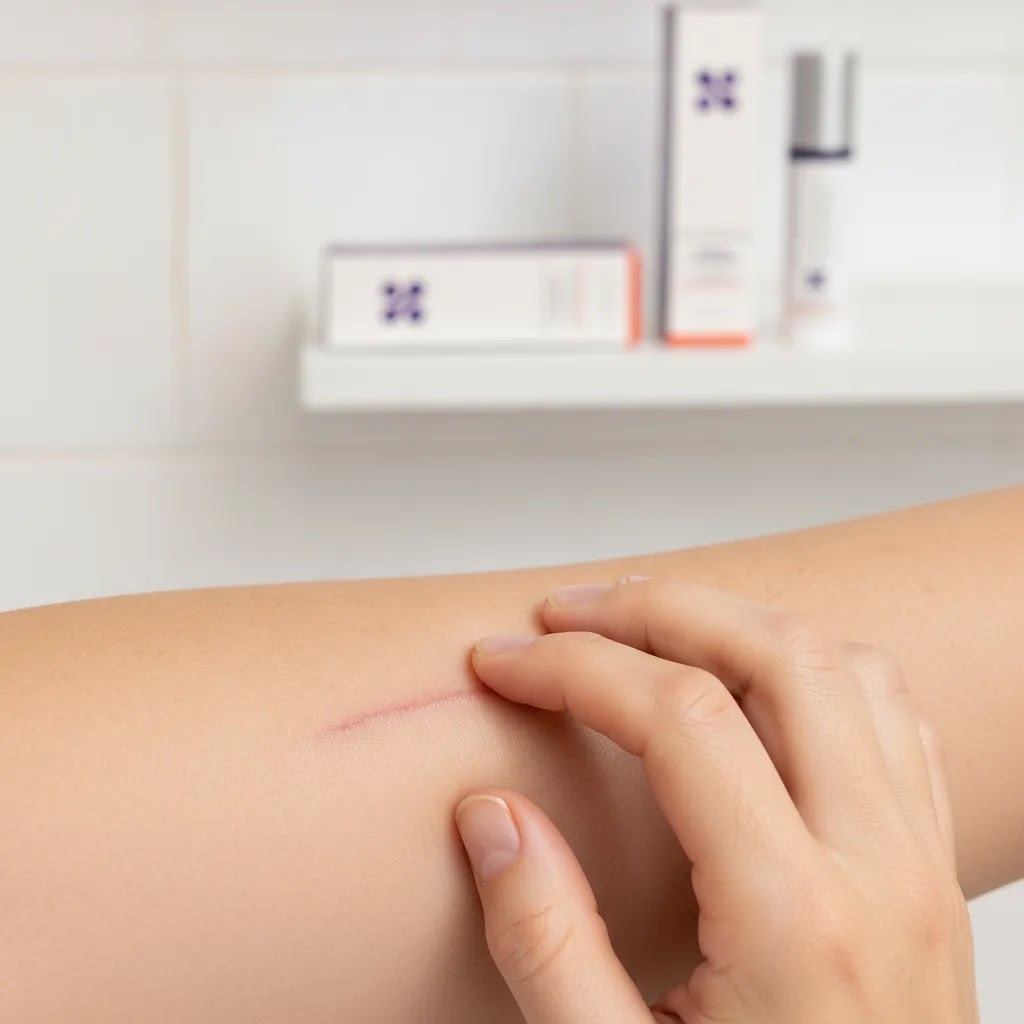
Normal healing symptoms usually fluctuate and then gradually improve. A scar that becomes more painful over time, rather than less, deserves attention. The same is true if pain comes with signs of infection or wound breakdown.
Contact your surgeon or healthcare provider promptly if you notice increasing redness, warmth, swelling, pus, a bad odor, fever, the wound reopening, or pain that is suddenly intensifying. Those symptoms do not fit ordinary scar remodeling alone.
Some scars also become abnormally raised, thick, or itchy. A hypertrophic scar is a raised scar that stays within the original wound borders. A keloid grows beyond those borders. Both can itch, feel tender, and stay firm longer than expected. If you are unsure whether symptoms fit normal healing, reviewing the stages of scar healing can help, but it should not replace a medical exam.
Persistent numbness, severe burning pain, or loss of function also call for professional guidance. Those symptoms may reflect deeper tissue issues, nerve involvement, or tension that needs targeted care. For general recovery basics, you can also review wound care basics and the phases of wound healing.
Internal scar tissue (adhesions) vs. skin scars
Most people think of a scar as the line they can see on the skin. In some cases, scar tissue can also form deeper inside the body after surgery or significant inflammation. This internal scar tissue is often called an adhesion. That means bands of fibrous tissue may cause internal surfaces to stick together more than they should.
Internal scar tissue is not the same as your external incision scar. Your skin scar can look calm and well-healed while you still feel deeper pulling, tightness, or discomfort with certain movements. That does not automatically mean something is wrong. However, it is a reason to ask for a clinical assessment if symptoms persist or disrupt function.
Symptoms that people commonly associate with adhesions include deep pulling or a stuck sensation, tenderness that feels deeper than the skin, discomfort triggered by specific positions or activity, and restricted motion that does not match what you see on the surface. Some people also notice numbness, tingling, or unusual sensitivity near the surgical area, which can overlap with normal nerve recovery. The pattern matters, especially if symptoms are unpredictable or keep you from returning to normal movement.
Talk with your surgeon or healthcare provider if you suspect internal scar tissue, if you have persistent functional limitation, or if scar tissue pain comes and goes in a way that feels hard to explain. Your clinician can determine whether your symptoms fit expected post-surgical recovery, whether you may benefit from targeted therapy, or whether further evaluation is needed.
What affects how comfortable or sensitive a scar feels
Two people can have similar procedures and very different scar symptoms. That difference often comes down to location, skin tension, genetics, and how the wound healed in the first place.
Body area and movement
Scars over joints or areas that stretch often feel more irritated. A C-section scar may pull when you stand, twist, or cough. A shoulder scar may rub against clothing. A knee scar may become more sensitive simply because it bends all day.
Depth of the original wound
Deeper wounds usually involve more tissue repair and may produce more prolonged sensitivity. A superficial cut and a surgical incision are both scars, but they do not remodel in exactly the same way.
Dryness and friction
Healing skin is often dry, and dry scars tend to itch more. Friction from waistbands, bras, compression garments, or athletic clothing can also make a scar feel irritated or hypersensitive.
Inflammation and scar type
Some people are more prone to raised, inflamed scars that stay red, firm, or itchy longer. This does not mean you did anything wrong. It may reflect your skin biology, family tendency, and how the wound responded during healing.
How to support a more comfortable healing scar
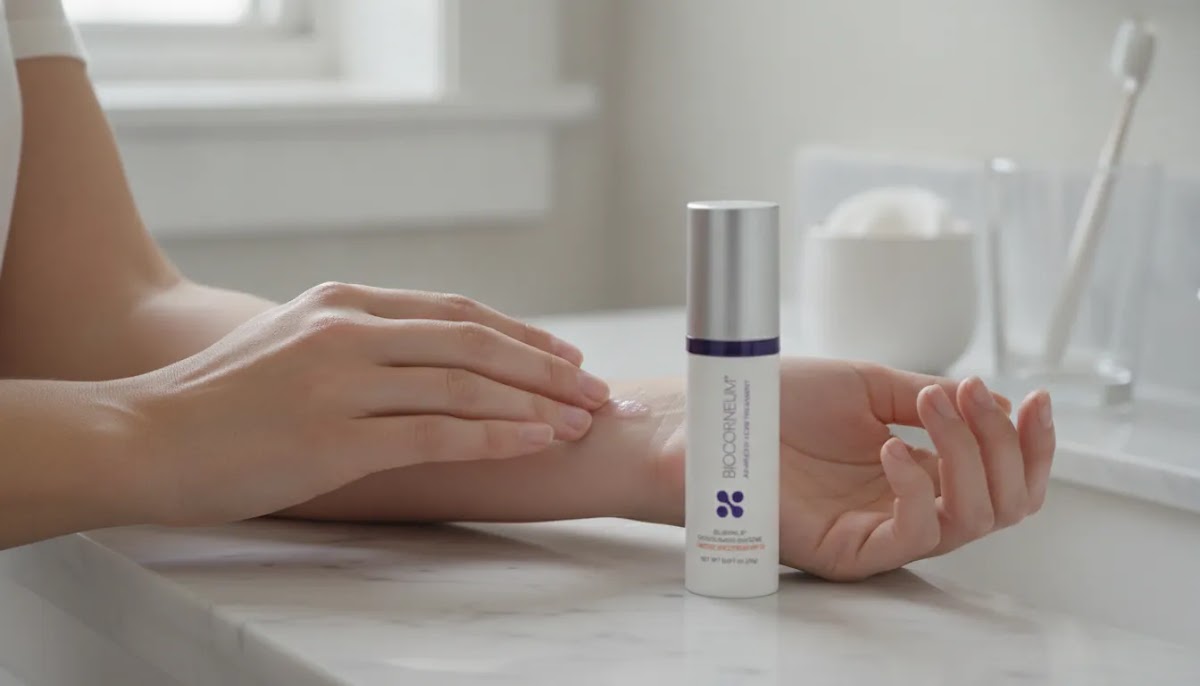
You cannot force a scar to mature faster, but you can often make healing more comfortable and support better scar quality over time. Always follow your surgeon's instructions first, especially if you are early in recovery or the wound has not fully closed.
Protect the skin barrier
Once your clinician says the wound is closed and ready, consistent scar care may help reduce dryness and irritation. Silicone is widely recognized by dermatologists and plastic surgeons as the gold-standard topical ingredient for scar management. It works by creating a protective, hydrated environment over the scar, which may help improve texture and reduce some symptoms as the scar matures. For readers who want the science behind this approach, how silicone gel soothes scars explains the mechanism in more detail. In addition, the American Academy of Dermatology and the NCBI Bookshelf overview of scar revision offer broader background on scar care.
Biocorneum offers silicone-based options for scar care, including Biocorneum SPF 30 20g and Biocorneum SPF 30 50g. These products are positioned as medical-grade scar care for at-home use, and the added sun protection may be especially relevant because UV exposure can make healing scars more noticeable. If you want more detail, see sunscreen for scars.
Limit friction and scratching


Scratching may worsen irritation, even if the itch feels intense. Loose clothing, soft fabrics, and careful sun protection can make a meaningful difference. If your scar is rubbing against a waistband or seam all day, symptoms may persist longer than they need to.
Ask about scar massage at the right time
Once the wound is fully closed and your clinician says it is appropriate, massage may help some scars feel less tight or stuck to the tissue underneath. Technique and timing matter, especially after surgery. This guide to scar massage for symptoms may help you discuss the option with your provider.
Use your healthcare team for symptom changes
If pain, itching, or sensitivity interfere with sleep, daily activity, or emotional wellbeing, bring it up. You do not need to wait until a scar looks severe to ask for help. Your surgeon or dermatologist can tell you whether symptoms fit normal healing or whether treatment changes are needed.
What scar tissue pain and other symptoms may feel like over time
Scar symptoms are not always steady. A scar may itch more at one stage, then feel tighter later, then soften gradually over months. That pattern can be normal.
In the early weeks, tenderness and itching are common. During the next phase, a scar may become firmer, pinker, and more noticeable as collagen builds. Later, many scars flatten, fade, and soften, though the process can take months and sometimes longer. If you want a broader educational overview, the Biocorneum Scar Science section and Silicone Science resources explain how these changes fit into the larger healing process.
That longer timeline is why consistency matters. Biocorneum's clinical positioning centers on professional-grade scar support that patients can use at home, but even evidence-based care works within the pace of biology. Improvement is usually gradual, not immediate, and your provider can help you set realistic expectations for your specific scar.
Why scar tissue pain can hurt years later
Many scars become quieter over time, but some people notice lingering sensitivity or occasional discomfort long after the skin looks fully healed. This can feel confusing, especially if you assume pain should only happen early in recovery. In many cases, delayed or recurrent symptoms relate to how scar tissue behaves compared with normal skin.
Scar collagen is typically arranged differently than uninjured tissue, and it may remain less elastic. That reduced flexibility can matter years later if the area is exposed to friction, stretching, pressure, or a change in activity level. A scar across the abdomen may feel tight after a new exercise routine. A joint-area scar may get sore during a period of increased walking, kneeling, or climbing stairs. Some scars are also more sensitive because nerves healed in a way that leaves the area reactive to touch or temperature.
It is also normal for symptoms to come and go. Many people experience short-lived flare-ups, such as a few days of tenderness, itching, or tightness, followed by improvement. The overall trend and severity matter more than any single day. A scar that is gradually becoming more comfortable over time can still have occasional uncomfortable moments.
Check in with a healthcare provider if scar tissue pain is new years after surgery or injury, if it is progressively worsening, or if it comes with neurologic symptoms such as numbness spreading beyond the scar, weakness, or radiating pain. Evaluation is also important if discomfort is changing how you move, limiting activity, or interfering with sleep, since targeted treatment may be available.
Frequently Asked Questions

Is scar itching normal, or does it mean something is wrong?
Mild itching is often a normal part of healing. It may happen as nerves regenerate, the skin barrier repairs itself, and the scar stays drier than surrounding skin. An itchy scar healing over time is common after surgery and minor injuries. Still, itching should be interpreted in context. If it comes with rash, drainage, spreading redness, increasing warmth, or worsening pain, you should contact your healthcare provider. A normal healing itch tends to come and go, while irritation from infection, allergy, or excessive inflammation usually becomes more persistent or more intense.
Why does my scar feel hard under the skin?
A firm scar is often a sign that collagen is being laid down and remodeled. Early scar tissue is usually denser and less flexible than normal skin, so a ridge or hard band under the incision can be expected for a period of time. Many scars soften gradually as healing progresses. Hardness alone is not always concerning, especially if the wound is closed and the area is not getting redder or more swollen. If the hardness is increasing quickly, limiting movement, or paired with significant pain, your surgeon or dermatologist should assess it.
How long can scar tissue pain last after surgery?
There is no single timetable for scar tissue pain after surgery. Some discomfort may improve within weeks, while tenderness, tightness, or brief nerve-type sensations may last for several months. The duration often depends on the size of the incision, the body location, your activity level, and how deeply the tissues were affected. A scar on a high-movement area may stay noticeable longer than one on a flatter, lower-tension area. Pain that steadily worsens, wakes you from sleep, or interferes with function should be evaluated instead of watched indefinitely.
What does scar nerve pain feel like?
Scar nerve pain is often described as burning, tingling, zapping, stinging, or sudden electric-like jolts. Some people also notice numb patches beside areas that feel overly sensitive. These sensations can happen because small nerve endings were disturbed by the original wound and are still healing. Brief episodes may be part of normal recovery. Severe or constant nerve symptoms deserve medical attention, especially if they are getting worse or affecting movement. Your clinician can determine whether the pain seems related to routine nerve recovery or a separate issue that needs treatment.
Can a scar be both numb and hypersensitive at the same time?
Yes, and patients often find that confusing. A healing scar may have numbness in one area and a hypersensitive edge in another because nerve recovery is not perfectly even. One part of the scar may have reduced sensation, while nearby nerve fibers are firing more actively as they regenerate. That uneven sensory map can make clothing, pressure, or temperature feel strange for a while. If sensation changes are extreme, distressing, or not improving over time, it is worth discussing them with your surgeon, particularly after larger operations or injuries involving deeper tissues.
How can I relieve scar itching without making the scar worse?
The safest approach is usually to reduce dryness and friction while avoiding scratching. Once your healthcare provider confirms the wound is fully closed, silicone-based scar care may help support hydration and comfort. Keeping clothing soft and loose around the area can also help. Sun protection matters because UV exposure may irritate healing skin and increase discoloration. If itching is intense, ask your provider before using any additional topical product. Itching that seems mild on the surface can sometimes reflect irritation, allergy, or an abnormal scar response that needs a more tailored plan.
Does scar tightness mean the scar is healing badly?
Not necessarily. Some tightness is common because healing collagen contracts as the scar matures. This can make the area feel pulled, especially in places that bend, stretch, or twist throughout the day. Tightness becomes more concerning if it is getting progressively worse, limiting motion, or changing how you stand or move. In those cases, your provider may assess whether scar contraction, deeper adhesions, or another recovery issue is involved. Early guidance can be especially helpful after C-sections, orthopedic procedures, or burns, where function matters as much as appearance.
Should I massage a painful or sensitive scar?
Massage may help some scars feel less tight, but timing matters. You should not start massaging a scar that is still open, scabbed, draining, or not yet cleared by your surgeon. Once the wound has fully closed and your clinician approves, gentle massage may improve mobility and comfort in some cases. A scar that is highly painful, inflamed, or very reactive may need a different approach first. If you are unsure, ask for guidance rather than experimenting. Technique, pressure, and the stage of healing all affect whether massage helps or irritates the scar.
Can silicone help if my scar is itchy or sensitive?
Clinical evidence supports silicone as a standard topical option for scar management, and many specialists recommend it for scars that are healing but still active. By helping maintain hydration and providing a protective barrier, silicone may support a more favorable scar environment and may reduce some itching or discomfort for certain patients. Biocorneum's silicone-based scar gel is one example of a clinically formulated option used in post-surgical recovery settings. It should be used only when the wound is appropriately closed, and it does not replace personalized medical advice from your provider.
When should I worry about scar pain instead of waiting it out?
You should seek medical guidance if scar pain is increasing instead of gradually easing, or if it is paired with heat, swelling, pus, fever, spreading redness, or wound reopening. Pain that feels severe, persistent, or function-limiting also deserves attention. A healing scar can be uncomfortable, but the overall trend should usually move toward improvement. If you are unsure whether your symptoms fit normal healing, it is reasonable to ask your surgeon or dermatologist. Getting reassurance early can help you avoid both unnecessary worry and delayed care when a problem does need treatment.
How do you relieve scar tissue pain?
Relief often starts with identifying what is driving the discomfort, such as dryness and friction, movement-related tightness, or nerve sensitivity. If your wound is fully closed and your healthcare provider agrees it is the right time, silicone-based scar care may help support hydration and comfort by creating a protective barrier over the scar. For some patients, a clinician-supervised plan may also include scar massage, stretching, or physical therapy to improve mobility and reduce pulling sensations, especially for scars over joints or after major procedures. If pain is severe, worsening, or limiting function, your surgeon or dermatologist should evaluate it rather than treating it as a normal nuisance.
What are the symptoms of internal scar tissue?
Internal scar tissue, often called adhesions, may cause symptoms that feel deeper than the skin. People commonly describe deep pulling, tenderness with certain movements or positions, a stuck feeling, or restricted motion that does not seem to match how the incision looks. Because these symptoms can overlap with normal recovery, it is best to discuss them with your surgeon or healthcare provider, especially if they persist, are unpredictable, or interfere with daily activity.
Can scar tissue cause a pinched nerve?
Scar tissue can sometimes contribute to nerve irritation or sensitivity, particularly if nerves were affected by the original injury or surgery, or if a scar sits in a high-tension area. People may describe burning, tingling, zapping sensations, or pain that seems to travel beyond the scar line. Nerve symptoms have many possible causes, so it is important to have persistent, worsening, or function-limiting symptoms evaluated by a healthcare provider who can determine whether the issue is routine nerve healing, local irritation, or a separate condition that needs treatment.
Can scar tissue pain come and go?
Yes. Intermittent discomfort can happen as a scar matures, especially with changes in activity, stretching, friction from clothing, or pressure over the area. Many people notice brief flare-ups of tightness, itching, or tenderness followed by improvement. If the overall pattern is trending worse, if pain is new long after healing, or if it limits your range of motion or daily function, a check-in with your surgeon, dermatologist, or healthcare provider is a good next step.
Key Takeaways
- Scar tissue pain, itching, firmness, and sensitivity may all occur during normal healing, especially after surgery or deeper wounds.
- Itching often relates to nerve recovery, dryness, and skin barrier repair, but symptoms should be checked if they come with redness, drainage, or worsening pain.
- Tightness and hardness can be part of collagen remodeling, though increasing restriction or severe discomfort deserves medical review.
- Silicone is widely recognized as a gold-standard topical ingredient for scar management and may help support a more comfortable healing environment once the wound is closed.
- Your surgeon, dermatologist, or healthcare provider is the best source for determining whether a scar symptom is typical for your recovery.
Final Thoughts
A healing scar can feel unpredictable, and that can be unsettling even when recovery is going well. Pain, itching, sensitivity, numbness, and tightness are not always signs of a problem. Very often, they reflect the fact that your skin, connective tissue, and nerves are still remodeling beneath the surface. The challenge is knowing which symptoms fit the normal course of healing and which ones deserve a closer look.
If your scar is closed but still active, evidence-based scar care and day-to-day protection may help support comfort and appearance over time. You can explore Biocorneum's clinically formulated silicone scar care to learn how this approach fits into recovery at home, but the most important next step is still a personalized one. Bring new, persistent, or worsening scar tissue pain or other symptoms to your surgeon or dermatologist so your scar plan matches your procedure, skin, and healing timeline.
Medical Disclaimer: The information provided in this article is for educational purposes only and does not constitute medical advice. Always consult your surgeon, dermatologist, or qualified healthcare provider before beginning any scar treatment regimen. Individual results vary. Biocorneum is not a substitute for professional medical care.


