

Delayed Wound Healing: Causes, Signs & Fixes
Delayed wound healing can be stressful. You change a dressing or look at your incision in the mirror and pause. Maybe the area still looks raw after you expected it to close. Maybe the redness seems unchanged, or the skin does not seem to be making steady progress.
That moment can feel unsettling, especially after surgery or an injury when you are trying to do everything right.
Delayed wound healing does not always mean something is seriously wrong. However, it does mean the wound may need closer attention. Healing can slow for many reasons, including infection, excess tension on the skin, poor circulation, diabetes, nutrition issues, smoking, or certain medications. Some causes are local, so they affect the wound itself. Others involve your overall health.
This article explains delayed wound healing, the signs to watch for, and what you can do next. You will also learn when it is time to contact your surgeon, dermatologist, or another qualified healthcare provider. If your wound has already closed and you are planning scar care, products such as Biocorneum's silicone-based scar gel may be part of that later stage, but only after your clinician says the skin is ready.
What delayed wound healing actually means
Healing is not perfectly predictable. Even so, most wounds move through a recognizable pattern of clotting, inflammation, tissue rebuilding, and remodeling. If you want a broader overview of normal wound healing stages, it can help to compare your recovery with the usual sequence.
Delayed wound healing means the wound is taking longer than expected to close or strengthen. In plain language, your skin is repairing itself more slowly than clinicians would usually expect for that type of injury, incision, or burn. The delay may affect surface closure, new tissue growth, or the quality of the repaired skin.
Some wounds are slow by nature. Areas under pressure, areas with frequent movement, and wounds in people with complex medical conditions often need more time. A delay becomes more concerning when progress stalls, the wound starts to break down, drainage increases, or symptoms suggest infection or inadequate blood flow.
Delayed wound healing in the wound healing phases
Clinicians often describe wound healing in four phases: hemostasis, inflammation, proliferation, and remodeling. These phases overlap, and the exact timeline varies by wound size, depth, location, and your overall health. Your surgeon or wound care team’s expected timeline for your specific procedure is still the best reference point, especially after surgery.
How delayed wound healing appears in the early phases
Hemostasis is the first phase. It starts right away. Your blood clots to stop bleeding, and the wound begins forming an early protective barrier. A delay at this stage is less about slow wound healing and more about bleeding that will not stop, easy re-bleeding, or significant bruising and swelling that keeps increasing. If you notice ongoing bleeding, contact your healthcare provider.
Inflammation follows. During this phase, your body sends immune cells to clean up damaged tissue and reduce infection risk. Some redness, warmth, and mild swelling can be normal early on, especially in the first days. Delayed wound healing often shows up here when inflammation lingers or intensifies instead of gradually settling.
You might notice redness that keeps spreading, increasing tenderness, or drainage that becomes heavier or changes character. Those changes deserve a check-in with your clinician.
How delayed wound healing appears in later phases
Proliferation is the rebuilding phase. The wound fills in with new tissue, new blood vessels form, and the skin begins to close. A delay here may look like a wound that remains open or stalled, fragile tissue that breaks down easily, or wound edges that do not seem to come together over time. In practice, you may feel like you are doing everything right, but the wound does not seem to shrink or strengthen.
Remodeling is the long phase. It can continue for months as collagen reorganizes and the repaired skin gradually becomes stronger. This is also where early scar changes happen. Delays here can look like a scar that stays thick, raised, itchy, or red longer than expected. The area may also remain unusually sensitive.
Some variability is normal. However, if your scar seems to be getting more inflamed or increasingly uncomfortable, it is reasonable to ask your surgeon or dermatologist whether the wound is maturing on schedule and whether targeted scar support is appropriate. For a visual overview, see these phases of wound healing.
Common delayed wound healing causes
Slow wound healing usually has more than one cause. A wound may be physically stressed while your body is also dealing with inflammation, lower oxygen delivery, or poor blood sugar control. That is why a full picture matters.
Local factors affecting delayed wound healing
Some delays start right at the wound site. Infection is a common example. Bacteria can interfere with healthy tissue repair and prolong inflammation, which is the early immune response your body uses to clean up damage.
Too much moisture or too much dryness can also create problems. So can repeated friction, wound separation, pressure, swelling, or tension from movement. A surgical incision across a joint or a high-motion area may heal more slowly because the skin edges are repeatedly pulled apart.
Whole-body factors that can impair healing
Your body needs oxygen, protein, vitamins, minerals, and steady blood flow to rebuild tissue. Poor circulation wound healing problems can show up in the feet, lower legs, or other areas with reduced blood supply. If tissues do not get enough oxygen and nutrients, repair may slow.
Diabetes is one of the best-known delayed wound healing causes. High blood sugar can affect circulation, nerve function, and immune response. If this applies to you, reading more about how diabetes affects healing may help you understand why even small wounds sometimes need closer monitoring.
Other possible factors include smoking, anemia, dehydration, older age, obesity, immune system disorders, and medications such as corticosteroids or some chemotherapy drugs. Nutrition matters too. If your intake has been limited after surgery, or if nausea has made eating difficult, nutrition for faster healing may be worth discussing with your care team.
The five factors patients ask about most often
- Infection or heavy bacterial burden
- Poor circulation and reduced oxygen delivery
- Diabetes or other blood sugar problems
- Inadequate nutrition or dehydration
- Smoking, pressure, friction, or repeated wound stress
These are not the only causes, but they are among the most common reasons clinicians see poor wound healing in everyday practice.
A deeper look at systemic factors: health conditions, medications, and lifestyle
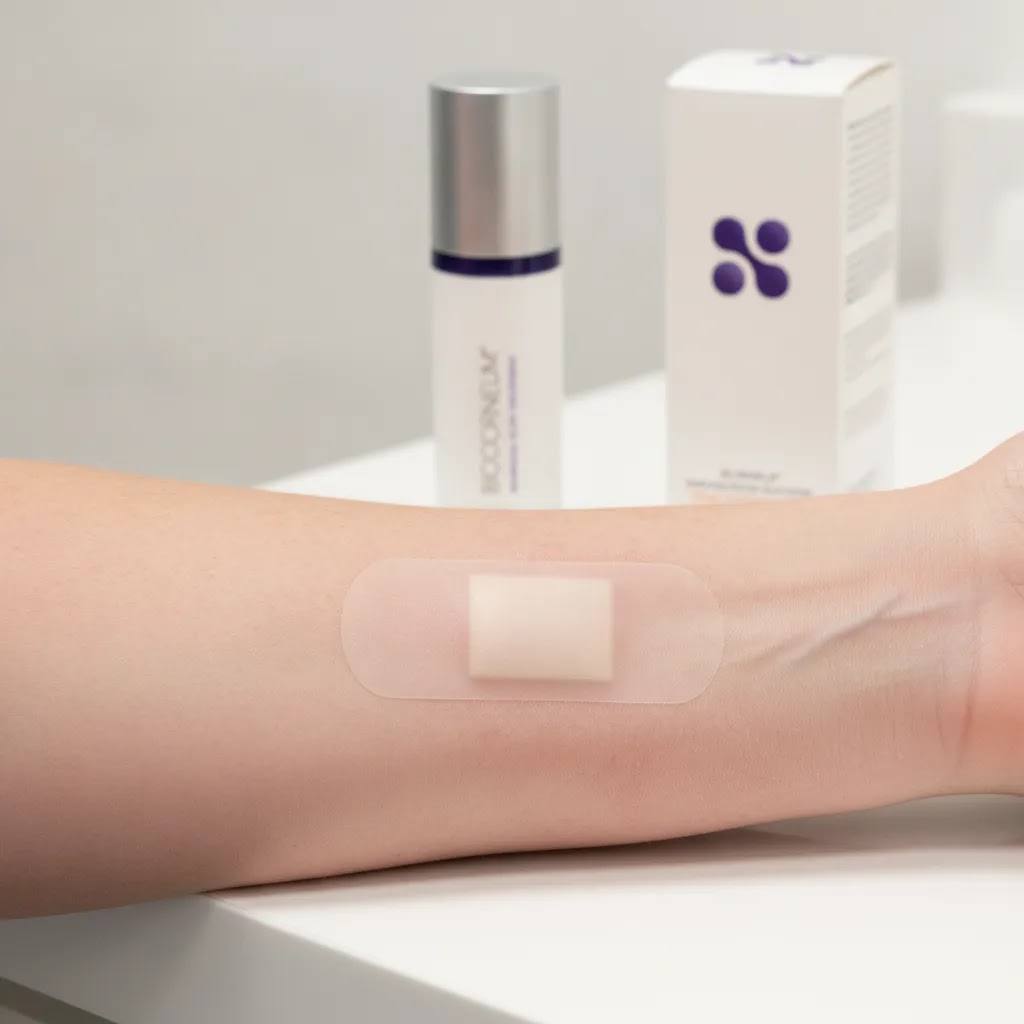
Local wound care matters, but delayed wound healing can also reflect what is happening in the rest of your body. Healing requires coordinated inflammation, good oxygen delivery, and enough building blocks to repair tissue. If one of those steps is disrupted, the wound may close more slowly or stay inflamed longer than expected.
Stress, sleep disruption, and recovery strain
Physical and emotional stress after surgery or injury can affect sleep and appetite. Both support immune function and tissue repair. Stress does not cause every slow-healing wound, but it can make recovery harder. If you are sleeping poorly, feeling persistently overwhelmed, or struggling to eat, mention it to your clinician, especially if your wound is not progressing as expected.
Nicotine, smoking, and oxygen delivery
Smoking and nicotine exposure can reduce oxygen delivery to tissues and affect small blood vessels. As a result, they may slow the rebuilding phase of healing. This includes cigarettes, vaping, and other nicotine products. If quitting feels difficult in the middle of recovery, your care team may be able to suggest nicotine cessation support. Even short-term changes may help in many cases.
Alcohol use and under-eating
Alcohol can interfere with sleep quality, hydration, immune function, and nutrition habits. Heavy alcohol intake may make it harder to meet protein and calorie needs during recovery. It may also increase the chance of setbacks for some patients. If you drink regularly, it is worth asking your surgeon or healthcare provider what is reasonable during wound healing for your medical history and medications.
Obesity, diabetes, and chronic inflammation
Obesity can be associated with chronic low-grade inflammation and reduced tissue oxygenation. It may also increase tension on incisions, especially on the abdomen or lower extremities. Diabetes can add another layer by affecting blood flow, immune response, and nerve sensation. None of this means healing will go poorly. However, it often means your care team will watch progress more closely and may recommend earlier follow-up if the wound stalls.
Immune suppression and common medication categories to review
Some medications and medical conditions can suppress or alter the immune response. That can affect the inflammation phase and increase infection risk. Others can affect collagen formation, skin strength, or the body’s ability to rebuild tissue. Corticosteroids and some chemotherapy drugs are well-known examples, but other medications may be relevant too, including immunosuppressant drugs used for autoimmune disease or after organ transplant. Some blood thinners can also increase bruising or bleeding risk, which can complicate early recovery in certain situations.
Do not stop or change any prescribed medication on your own. If healing seems slow, ask your clinician whether any of your medications, supplements, or recent medication changes could be affecting healing, and whether any adjustments are appropriate and safe for you.
What to tell your clinician if healing seems delayed
Your care team can help faster when they have clear context. For example, mention recent medication changes, any new swelling, increasing pain, appetite changes or reduced intake, and any drainage changes such as heavier output or a shift in color or odor. If you have photos from the past few days, your clinician may also find it easier to judge whether the wound is truly stalled or simply healing gradually.
For broader medical guidance on wound management, the American Academy of Dermatology wound care guidance and the MedlinePlus wound and injury overview are useful references.
Signs of poor wound healing to watch for
Many people worry about normal redness, scabbing, or itch and assume the worst. Some change is expected, especially in the first days and weeks. The concern is not that a wound looks imperfect. The concern is that it stops improving, worsens, or develops warning signs.
You can compare your recovery with common signs wound is healing correctly. In general, signs of poor wound healing may include increasing pain, spreading redness, foul odor, persistent drainage, a wound that opens instead of closes, darkened tissue, or little visible progress over time.
Contact your healthcare provider promptly if you notice fever, pus, a sudden increase in swelling, warmth that keeps spreading, or separation of a surgical incision. Those symptoms may need medical assessment, not just home monitoring.
What a chronic wound means
A chronic wound is a wound that does not heal in the expected timeframe and tends to remain stuck in inflammation. Examples may include some diabetic foot ulcers, pressure injuries, or venous leg ulcers. These wounds often need medical treatment beyond standard home care.
If your wound has been present for weeks without meaningful improvement, a wound care specialist or surgeon may want to assess blood flow, pressure, infection risk, dressings, and underlying health conditions.
Delayed wound healing after surgery can have specific triggers
Post-surgical wounds have their own set of challenges. Even clean, carefully closed incisions can heal slowly if there is tension on the skin, fluid collection under the surface, reduced circulation, infection, or friction from clothing or movement. Recovery can feel especially frustrating because you often expect a straight path forward after the procedure is over.
Some patients are surprised to learn that delayed healing after surgery is not always caused by a mistake in care. It may reflect the body part involved, the length of the incision, your medical history, and how much swelling developed afterward. Cesarean section incisions, orthopedic procedures, abdominal surgery, and burns can all have different healing patterns.
If your surgeon placed restrictions on lifting, stretching, showering, or exercise, those instructions matter. They are designed to protect the wound while the tissue is still fragile. If your eating has been limited, you may also want to ask whether supplements that support healing are appropriate for your situation, especially if you have a documented deficiency or poor oral intake.
What you can do right now if healing seems slow

If you suspect impaired wound healing, home care should focus on support, observation, and timely communication with your clinician. You do not need to diagnose the cause on your own.
Practical steps that may help
- Follow your wound care instructions exactly, including dressing changes and cleansing guidance.
- Reduce friction, pressure, and stretching across the area whenever possible.
- Stay hydrated and aim for regular meals with enough protein and overall calories.
- If you have diabetes, monitor blood sugar as directed and keep your care team informed.
- Avoid smoking and nicotine exposure if possible, since both can reduce oxygen delivery to healing tissue.
- Document changes with photos if your clinician recommends it, especially after surgery.
Do not start new topical products on an open wound unless your healthcare provider approves them. That includes creams, oils, herbal products, and scar treatments. A wound that is still open or actively inflamed has different needs from a closed scar.
If you want more education on related topics, the broader wound healing section can help you explore common recovery questions. You can also review this guide to wound care for basics on dressings, moisture, and recovery support.
Nutrition and delayed wound healing during recovery
Many patients assume nutrition only matters if they are visibly underweight. However, slow healing can also happen when you are simply not meeting recovery needs for protein, calories, and key micronutrients. After surgery, appetite changes, nausea, constipation, pain, and fatigue can make it surprisingly difficult to eat enough to support repair.
Protein, calories, and delayed wound healing
Protein-energy undernutrition is one of the most common nutrition-related issues clinicians look for in wound healing. Your body needs enough overall calories for energy, and it needs protein to help build new tissue. If you are unintentionally losing weight, skipping meals, or struggling to meet protein needs, your wound may have fewer resources for the proliferation phase, when tissue is actively being rebuilt.
Micronutrients and foods that may slow progress
Clinicians may also consider micronutrient deficiencies, depending on your diet, health history, and lab results. Vitamin C supports collagen formation and tissue repair. Zinc is involved in many repair processes and immune function. Iron supports oxygen delivery through red blood cells, and low iron or anemia can affect healing in some cases.
These nutrients are important, but more is not always better. High-dose supplementation can be inappropriate for some people and can interact with medications. Therefore, it is safest to ask your healthcare provider whether testing or a targeted plan makes sense before self-dosing.
Patients also ask about foods to avoid during wound recovery. There is no single food that automatically stops healing, but patterns matter. Diets very high in added sugar, excess alcohol, or heavily processed foods may worsen inflammation for some people. They can also displace the protein and nutrient-dense foods your body needs.
A practical goal is to prioritize consistent meals and snacks that you can tolerate, with protein and a variety of nutrient-rich foods, while keeping alcohol minimal unless your clinician advises otherwise. A nutrition review may be worth requesting if you have a poor appetite, unintended weight loss, gastrointestinal issues, or a restrictive diet that makes it hard to meet protein and micronutrient needs after surgery.
If you want to go deeper, the articles on nutrition for faster healing, supplements that support healing, and foods to avoid during wound healing can help you prepare for a more focused conversation with your care team.
When scar care enters the picture after delayed wound healing
Scar care starts after the wound has closed and your clinician says the skin is ready. This timing matters. Silicone is widely regarded by dermatologists and plastic surgeons as the gold-standard topical ingredient for scar management, but it is used on healed skin, not as a substitute for medical wound treatment.
Once the surface is intact, consistent scar support may help improve texture, redness, and overall scar appearance over time. Biocorneum offers silicone-based scar gel options, including Biocorneum SPF 30 20g and Biocorneum SPF 30 50g, which combine silicone scar care with sun protection. UV exposure can make newer scars appear darker or more noticeable, so sun protection often becomes part of the long-term plan.
You can also browse the site's Scar Science resources if you want to understand how scar tissue forms and why treatment timing matters. If bruising is part of your recovery picture, Biocorneum also lists a bruise cream, though any post-procedure product use should still be guided by your surgeon or dermatologist.
| Stage | What it may look like | What to do |
|---|---|---|
| Open or actively inflamed wound | Drainage, separation, spreading redness, or stalled closure | Focus on medical wound care and contact your clinician if warning signs appear |
| Closed, healed skin | Surface is intact and your clinician says the skin is ready | Consider scar support such as silicone-based scar care |
| Newer scar exposed to sun | Scar may look darker or more noticeable with UV exposure | Use scar care with sun protection as part of the long-term plan |
Frequently Asked Questions
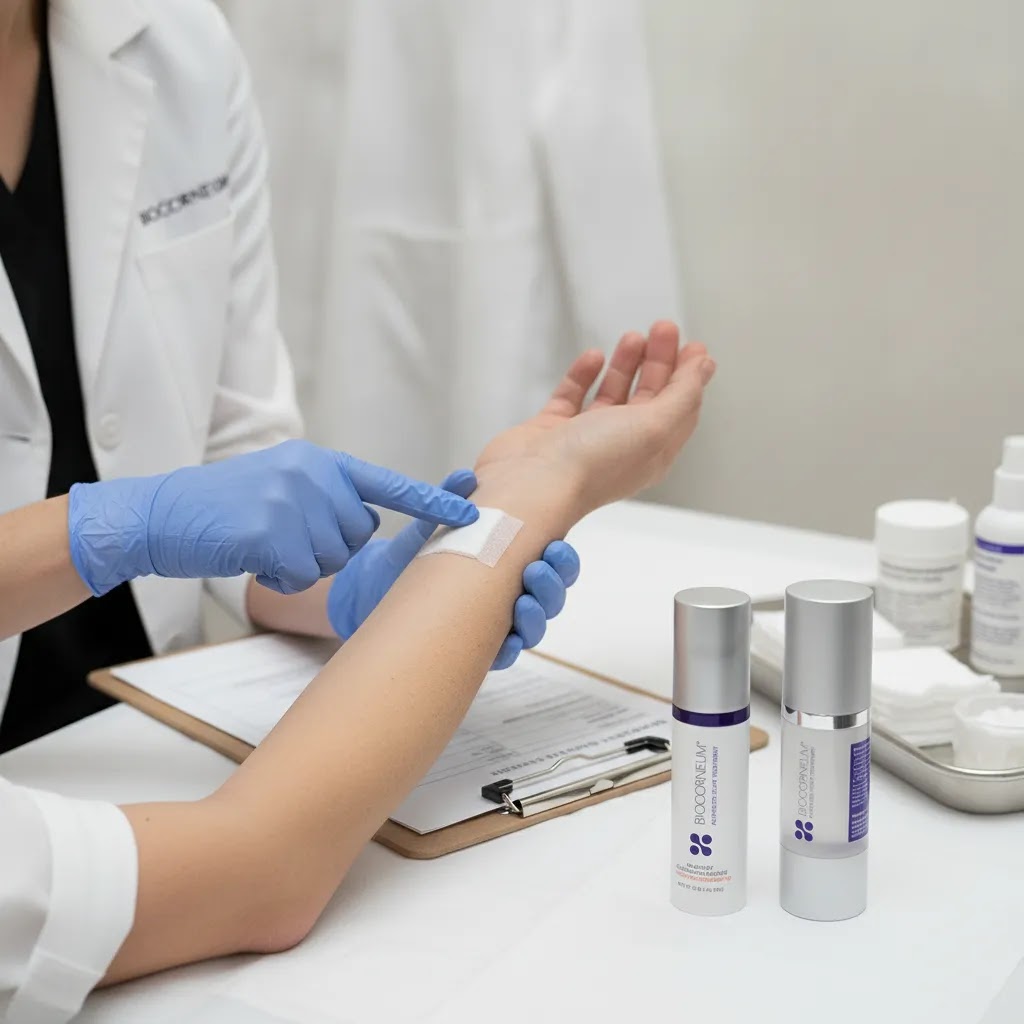


How do I know if my wound is healing slowly or just healing normally?
A wound can look imperfect and still be healing appropriately. Mild redness, tenderness, itching, and gradual scabbing may all be part of normal recovery. Delayed wound healing becomes more likely when progress seems to stall, the wound edges pull apart, drainage increases, or the area becomes more painful instead of less painful. The best comparison is not how the wound looked on one day, but whether it is improving over time. If you are unsure, send a photo or arrange a follow-up with your surgeon or healthcare provider rather than guessing.
What causes slow wound healing after surgery?
Delayed healing after surgery may happen because of infection, swelling, poor blood flow, tension across the incision, repeated friction, smoking, blood sugar problems, or nutrition deficits. Some wounds are also slower because of their location. Incisions on the abdomen, breast, knee, or other high-motion areas may be stressed more during normal daily activity. Your overall health matters too. Conditions such as diabetes, anemia, vascular disease, and immune suppression can all affect how quickly tissue repairs itself. Often, more than one factor is involved at the same time.
Can diabetes really make wounds heal more slowly?
Yes, diabetes can slow healing in several ways. Higher blood sugar may affect circulation, reduce immune efficiency, and impair the function of cells involved in tissue repair. Some people with diabetes also have reduced sensation in the feet or lower legs, which can make it harder to notice pressure or skin breakdown early. That does not mean every wound will become serious, but it does mean closer monitoring is wise. Good glucose management and timely care can make a meaningful difference in many cases.
What are common signs of poor wound healing?
Common signs include a wound that stays open longer than expected, increasing redness, more drainage, foul odor, growing pain, warmth that spreads beyond the wound, or tissue that looks dark, pale, or unhealthy. A surgical incision that begins to separate is another important sign. Fever or chills may suggest a broader infection and should be taken seriously. Some wounds also show very little visible improvement over days or weeks, which can indicate impaired wound healing even without obvious infection. If you notice these changes, contact your clinician.
Does poor circulation affect wound healing?
Yes. Blood flow delivers oxygen, immune cells, and nutrients that tissues need to repair themselves. If circulation is limited, healing may slow because the wound is not getting the resources it needs. This issue is especially relevant in the lower legs, feet, and in people with vascular disease. Clues may include cool skin, color changes, slow closure, or wounds that repeatedly break down. A clinician may evaluate circulation with an exam or additional testing if they suspect blood flow is part of the problem.
Should I put scar gel on a wound that is still open?
No, not unless your healthcare provider specifically tells you to do so. Scar gels are generally intended for closed, healed skin rather than open wounds. An open wound may need cleansing, dressings, offloading, infection management, or other medical care before scar treatment begins. Once the skin surface is intact and your clinician says it is appropriate, silicone-based scar therapy may become part of the next phase. Starting too early can interfere with proper wound management or confuse the picture if irritation develops.
Can nutrition really change how quickly a wound heals?
Nutrition can play an important role, especially if you have had surgery, have a poor appetite, or have been under-eating during recovery. Your body needs energy, protein, fluids, and micronutrients to rebuild tissue. A shortage does not always cause obvious symptoms right away, but it may contribute to slow progress over time. This is one reason clinicians often ask about weight loss, nausea, hydration, or difficulty eating. If you are recovering from a major procedure, it is reasonable to ask your care team whether a nutrition review would help.
When should I worry about a wound not healing?
You should reach out sooner rather than later if the wound looks worse, not better, or if you develop new symptoms such as fever, pus, spreading redness, bad odor, or separation of the wound edges. You should also seek medical advice if there is persistent drainage, increasing pain, or no meaningful improvement over time. A wound does not need to look dramatic to deserve a call. Early assessment may prevent a small issue from becoming a bigger setback.
Can a slowly healing wound still leave a larger scar?
It may. Wounds that stay inflamed longer, reopen, or heal under tension can be more likely to develop a more noticeable scar. That does not mean a visible scar is inevitable, and it does not mean you did something wrong. It means the quality of wound healing can influence the later scar remodeling phase. Once the wound is fully closed, your clinician may recommend scar care such as silicone therapy, massage, or sun protection based on the wound type and your risk factors.
What kind of doctor should I see for delayed wound healing?
That depends on the cause and the type of wound. For a surgical incision, start with your surgeon or the surgical team. For burns, significant skin injury, or unusual scars, a dermatologist or burn specialist may be appropriate. People with diabetic wounds, pressure injuries, or chronic ulcers may benefit from a wound care clinic. If poor circulation is suspected, a vascular specialist may be involved. The right next step is often the clinician already overseeing your recovery, since they know the history and expected timeline.
What deficiency causes wounds to take longer to heal?
Several deficiencies can be associated with slow wound healing, and the right answer depends on your diet, medical history, and lab results. Clinicians often start by assessing whether you are getting enough overall calories and protein, since protein-energy undernutrition can limit the body’s ability to rebuild tissue. They may also evaluate deficiencies that affect collagen formation, immune function, or oxygen delivery, such as low vitamin C, zinc deficiency, or iron deficiency anemia. Because supplementation is not always appropriate without confirmation, it is best to ask your surgeon or healthcare provider whether testing or a nutrition referral makes sense for you.
When doesn’t a wound heal, and what does that usually mean?
It is normal for healing to be gradual, but a wound that stops improving, repeatedly breaks down, or stays open longer than your clinician expects may need reassessment. This can happen for reasons such as infection, repeated stress or pressure on the area, low blood flow and oxygen delivery, uncontrolled blood sugar, or nutrition problems. After surgery, it can also reflect tension on the incision or fluid trapped under the skin. If you feel like your wound is not moving forward, your care team can clarify what timeline is expected for your situation and whether a change in treatment is needed.
How do you heal a chronic wound?
Chronic wounds often require medical management, not just basic home care. Treatment typically focuses on identifying and addressing the reason the wound is not progressing, which could include infection risk, poor circulation, pressure or friction, uncontrolled diabetes, or ongoing inflammation. A wound care clinic or specialist may recommend specific dressings, debridement (removal of unhealthy tissue), offloading strategies to reduce pressure, or evaluation of blood flow, depending on the type of wound. If you suspect a wound is becoming chronic, it is safest to seek care from your surgeon, a wound specialist, or another qualified healthcare provider.
When does a wound become chronic?
There is not one universal cutoff, but many clinicians consider a wound chronic when it has not healed in the expected timeframe for its type and is not making meaningful progress, often over several weeks. Chronic wounds frequently get stuck in the inflammation phase instead of moving into steady tissue rebuilding. If a wound has been present for weeks with little improvement, or if it keeps reopening, it is a good reason to contact your healthcare provider and ask whether a wound care evaluation is appropriate.
Key Takeaways
- Delayed wound healing means a wound is progressing more slowly than expected, not simply that it looks imperfect.
- Common causes include infection, poor circulation, diabetes, nutrition problems, smoking, and repeated stress on the wound.
- Warning signs include increasing pain, spreading redness, drainage, wound separation, foul odor, or no steady improvement.
- Open wounds need medical wound care first, scar treatment later, once the skin has fully closed and your clinician approves it.
- Silicone scar therapy may help support scar appearance after healing, but it does not replace professional care for a slow or non-healing wound.
Final Thoughts
A wound that seems slow to heal can leave you feeling uncertain, especially if you expected each day to bring obvious progress. Most of the time, the most useful next step is not to panic or experiment with multiple products. It is to look for patterns, protect the area, and bring concerns to the clinician who knows your recovery best.
Delayed wound healing often has a treatable reason behind it, whether that is pressure on the wound, blood sugar issues, infection risk, poor circulation, or nutrition challenges. Once the wound has closed and your healthcare provider says scar care can begin, evidence-based options such as silicone therapy may support the appearance of the healing scar over time. If you want to explore that later phase, Biocorneum's clinically formulated scar gel resources can help you understand how silicone fits into a broader recovery plan. Talk with your surgeon, dermatologist, or qualified healthcare provider about the safest path for your skin.
Medical Disclaimer: The information provided in this article is for educational purposes only and does not constitute medical advice. Always consult your surgeon, dermatologist, or qualified healthcare provider before beginning any scar treatment regimen. Individual results vary. Biocorneum is not a substitute for professional medical care.


