

Best Wound Healing Ointment for Scars: What to Use & When
A wound healing ointment may protect an incision early in recovery, while silicone scar care belongs after the skin is fully closed, dry, and cleared by your clinician. This guide compares three scar gel options and explains when it makes sense to move beyond basic ointment care.
We considered ingredient category, scar-management role, daily usability, available product details, skin compatibility considerations, and price transparency. If you have a raised scar or a history of abnormal scarring, personalized guidance matters, especially for concerns involving keloid scar treatment.
Wound Healing Ointment and Scar Care Are Different Stages
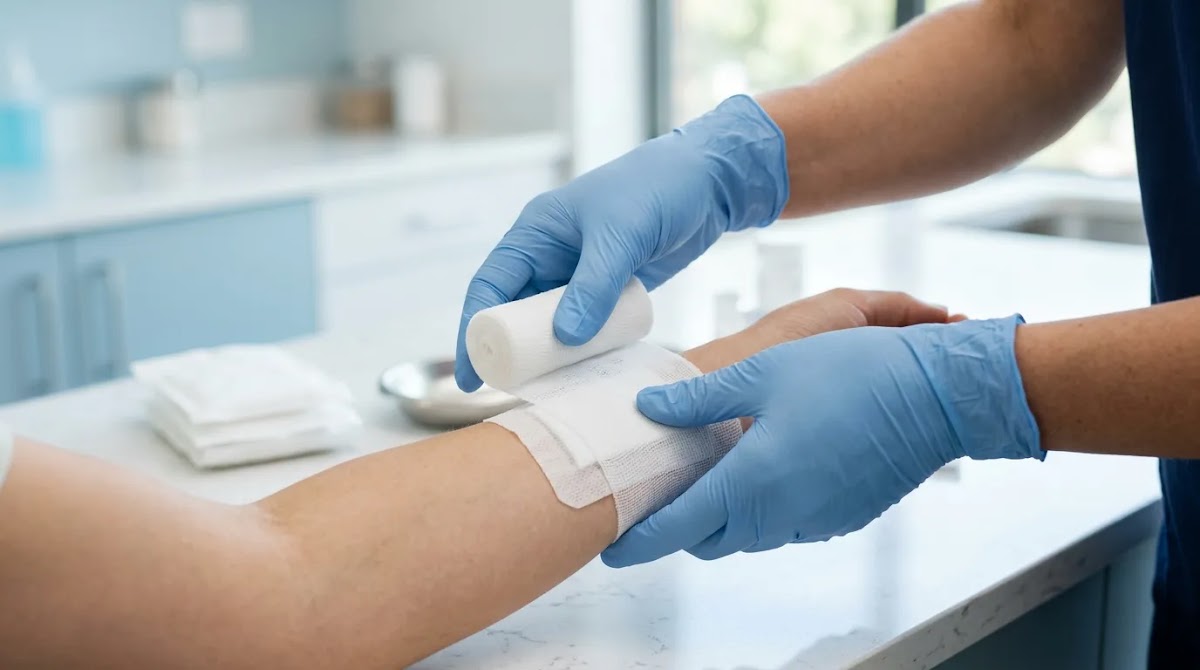
The phrase “wound healing ointment” can describe several products. These include petrolatum-based ointments, prescribed antibiotic ointments, and barrier products used during active wound care. Their role is generally to protect vulnerable skin, reduce friction, or help maintain an appropriate moisture balance while the wound is healing.
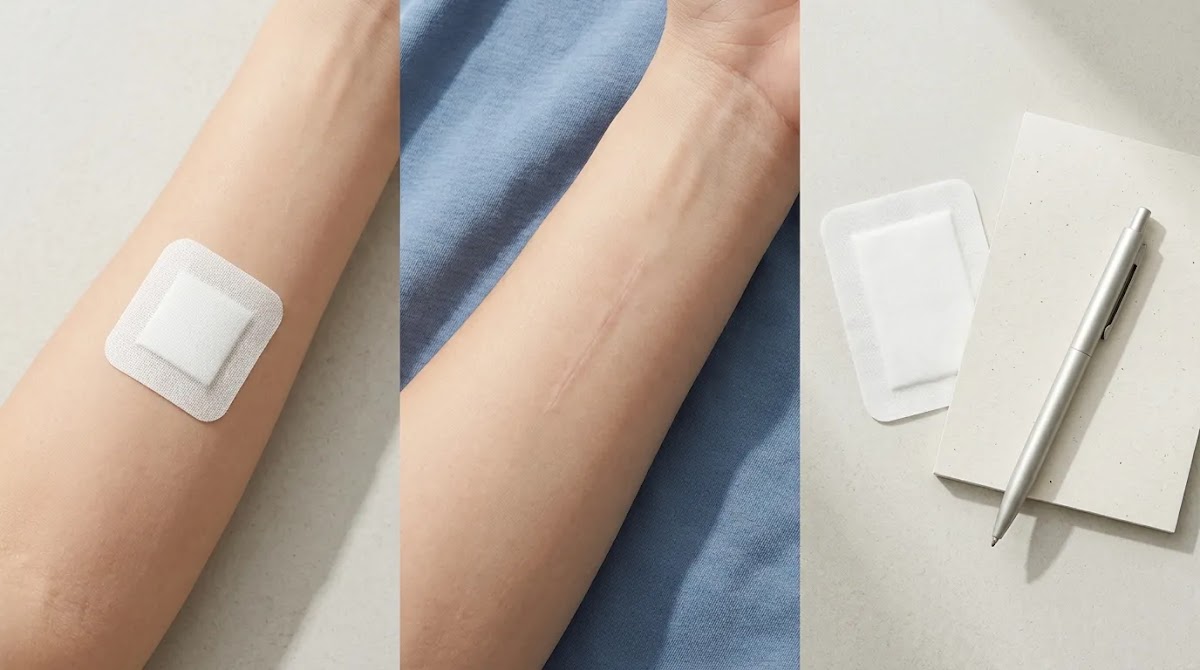
A scar gel has a different purpose. You generally introduce it after epithelialization, when the wound surface has closed and new skin has formed. Clinicians commonly use silicone-based products during scar remodeling, the longer phase when a scar can gradually change in color, thickness, texture, and flexibility.
Do not apply scar gel to an open incision, draining wound, or area with scabs unless your treating clinician specifically tells you to do so. A healthcare professional should assess spreading redness, increasing warmth, pain, drainage, fever, wound separation, or an unexpected incision change. Do not try to manage these concerns by adding another over-the-counter product.
Early Wound Healing Ointment Care Before Scar Treatment
For minor closed or superficial wounds, a clinician may recommend a simple petrolatum-based wound healing ointment to help protect the skin and limit moisture loss. Products such as Aquaphor Healing Ointment support minor wound care and the skin barrier. They do not remodel a fully healed scar. The dressing type, amount of ointment, and frequency of care should follow your surgical or wound-care instructions.
Prescription antibiotic ointments serve a separate purpose. Use them only when your healthcare provider specifically advises them. You do not automatically need them for every incision or minor wound, and using them without guidance can cause irritation or conflict with a prescribed care plan.
Follow your surgeon's instructions for cleansing, dressings, and wound healing ointment use until the skin is intact. Once the area is fully closed and dry, ask your healthcare provider about transitioning from wound-focused care to silicone scar management.
For a closer look at cleansing, dressings, and moisture balance, see our guide to wound care basics.
Wound Healing Ointment vs. Topical Scar Gel Options
These products are scar-management gels, not substitutes for clinician-directed wound healing ointment during the open-wound phase. Prices and product details below reflect the information available for each item.
| Product | Brand | Price | Best For | Key Strength | Main Drawback | Product Category |
|---|---|---|---|---|---|---|
| BIOCORNEUM SiliSilk Advanced Scar Gel, 30g | BIOCORNEUM | $84.95 | Patients seeking an SPF-free silicone scar gel with a smooth finish | Clear, fast-drying silicone gel designed to layer under sunscreen or makeup | Premium price and no sun-protection ingredient | Topical silicone scar gel |
| Silagen Gel + SPF 30 | Silagen | n/a | Patients who want a topical scar gel with mineral broad-spectrum UV protection | Zinc oxide mineral sunscreen and SPF 30 | Price is n/a | Topical scar gel with sunscreen |
| Silagen Scar Gel (Day and Night) | Silagen | n/a | People considering separate day and night scar gel variants | Day and Night variants, used with strips for scar therapy | Price is n/a | Topical scar gel |
Ranked Topical Options for Scar Management After Closure
1. BIOCORNEUM SiliSilk Advanced Scar Gel, 30g: Best for an SPF-Free Daily Scar Gel
BIOCORNEUM SiliSilk Advanced Scar Gel, 30g

Consider a patient just given the green light to begin scar management on a visible incision: BIOCORNEUM SiliSilk Advanced Scar Gel, 30g, is built for exactly this moment. Formulated without SPF, this professional-grade silicone gel dries quickly into a clear, ultra-smooth, silky finish. It layers easily beneath sunscreen or makeup, or stands alone as part of a daily routine. Its lightweight feel and dependable silicone base make it the top pick in this lineup for patients who need consistent, everyday application in areas that show.
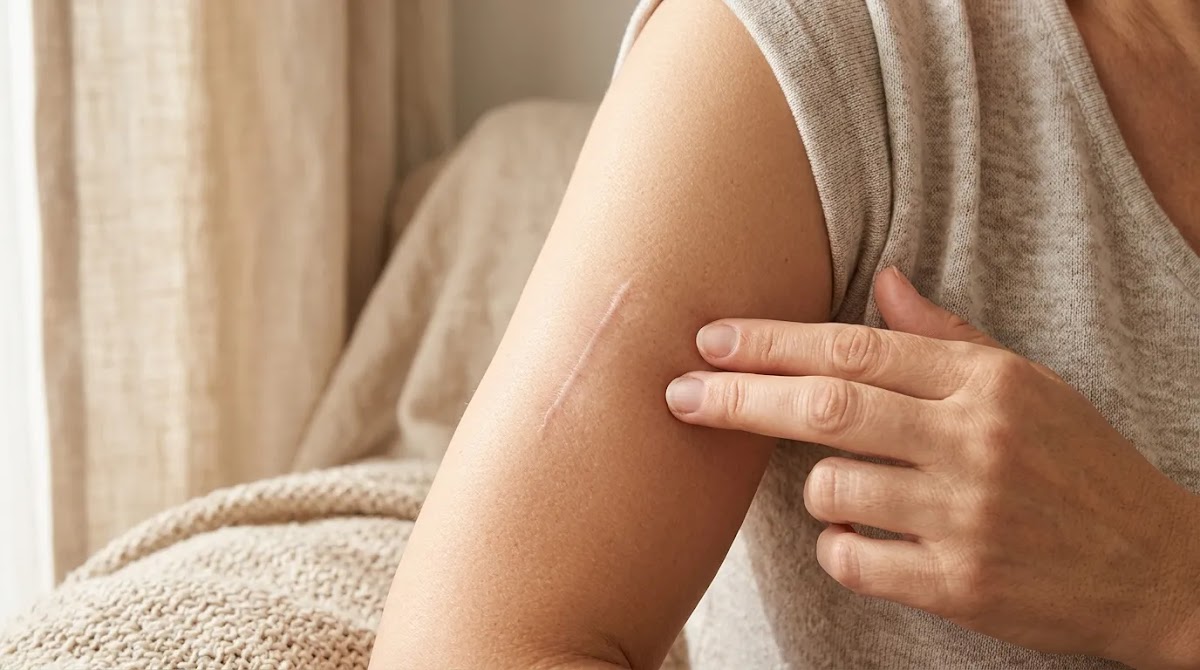
Consider a scar that's still red, raised, or in the process of settling months after an injury or surgery. Physicians often recommend silicone-based products at this stage. Applied consistently, silicone seals in moisture and shields the area from outside irritants, which research links to smoother, less noticeable scarring over time. That said, it complements rather than substitutes for proper wound care, infection treatment, or a clinician's assessment if a scar looks or behaves differently than expected.
Strengths
- Uses silicone, a commonly recommended topical ingredient category for scar management after wound closure.
- Clear, fast-drying texture may suit scars on the face, neck, chest, or other areas where product feel affects adherence.
- Designed to work under sunscreen and makeup, which can make daily scar care easier to maintain.
- SPF-free format allows patients to choose a separate sunscreen that fits their skin type and clinician's recommendations.
Considerations
- It is not an ointment for open wounds, fresh sutures, or draining areas.
- Because it does not contain SPF, sun protection needs to be addressed separately once your clinician approves it.
- $84.95 may be more than some patients want to spend on a topical scar product.
Who it is for: This option may suit adults recovering from surgery, injury, or burns who have fully closed skin and want an SPF-free silicone gel that can fit into a regular daytime or evening routine.
Who should look elsewhere: Choose clinician-directed wound care instead if the area is not fully closed. Patients who specifically prefer a scar gel with built-in mineral sun protection may prefer a different product category.
Pricing: $84.95. Shop Now →
2. Silagen Gel + SPF 30: Best for Mineral UV Protection in a Scar Gel
Silagen Gel + SPF 30
Silagen Gel + SPF 30 is a topical scar gel with sunscreen. Its listed sun-protection approach uses zinc oxide, a mineral sunscreen that provides broad-spectrum UV protection. It is also described as free from chemical sunscreens, including oxybenzone. This makes it a relevant option for people whose healthcare provider has cleared scar care and who prefer mineral sunscreen integrated into the product category they are considering.
Sun exposure can contribute to lingering color changes in a healing scar. Still, consider sun protection only after the wound has fully closed and your surgeon or dermatologist confirms that the product is appropriate for the area and stage of recovery.
Strengths
- Includes SPF 30 for readers prioritizing sun protection in a topical scar gel.
- Uses zinc oxide mineral sunscreen for broad-spectrum UV protection.
- Listed as free from chemical sunscreens, including oxybenzone.
- May simplify a daytime routine for patients who prefer fewer layers of product.
Considerations
- Price is listed as n/a, which makes value comparisons more difficult.
- Product information does not specify whether it is best suited to particular scar locations or skin types.
- Built-in SPF may not remove the need for other sun-protection measures recommended by your clinician.
Who it is for: This may be a reasonable category to discuss with a clinician if a healed scar receives regular daylight exposure and you prefer mineral UV protection within the scar gel itself.
Who should look elsewhere: Patients who want to select their scar gel and sunscreen separately, or who are still in active wound care, may need another approach.
Pricing: n/a.
3. Silagen Scar Gel (Day and Night): Best for a Day-and-Night Routine
Silagen Scar Gel (Day and Night)
Consider someone who wants a morning-to-night scar care ritual: Silagen Scar Gel answers that call with dedicated Day and Night formulations, each designed to work alongside supportive strips. This split-product approach gives patients the freedom to tailor their regimen around how their day actually unfolds, rather than forcing a one-size-fits-all solution. Its position on this list stems mainly from how little public detail exists around pricing and specifications, not from any concern about whether it could work well within a particular healing journey.
Scar therapy can require consistency over time. A routine that feels manageable may be more useful than one that is complicated or uncomfortable. Your clinician can help determine whether a gel, strip, sheet, or another treatment is appropriate for the scar's location, thickness, skin condition, and tendency to become raised.
Strengths
- Offers Day and Night variants for patients who prefer separate routine options.
- Can be used with strips for scar therapy.
- May appeal to people who value a structured day-and-night application approach.
- Belongs to the topical scar gel category, an option often considered after wound closure.
Considerations
- Price is listed as n/a.
- Product information does not specify the formulation details of the Day and Night variants.
- Product information does not clarify which scar types or body areas may be the best match.
Who it is for: This option may interest patients who are already considering scar strips and want a gel routine with distinct Day and Night variants.
Who should look elsewhere: Patients looking for transparent price information, specific formulation details, or an SPF-free gel with a clearly described finish may prefer another option.
Pricing: n/a.
When to Switch From Wound Healing Ointment to Silicone
The transition is based on wound status, not the calendar alone. A simple skin healing ointment may be part of early care if your healthcare provider recommends it. Consider silicone scar care only after the incision or injury closes, the surface is intact, and there is no drainage or open area.
Ask your surgeon, dermatologist, or wound-care clinician whether the scar is ready for silicone if you are unsure. This is especially important after cosmetic surgery, a C-section, orthopedic surgery, a burn, or a traumatic injury, where healing instructions can differ.
- Remain with clinician-directed wound care if there are open areas, drainage, thick scabbing, separation, or signs of infection.
- Discuss silicone scar care after the skin has sealed and your clinician confirms that topical scar treatment is appropriate.
- Use sun protection thoughtfully after clearance, since a healing scar can be vulnerable to visible color change from ultraviolet exposure.
- Seek assessment for raised growth if a scar becomes increasingly thick, itchy, painful, or extends beyond the original wound. These changes may need more than over-the-counter care.
For more detail on the role and practical use of silicone after closure, read about silicone gel for scars. You can also compare scar gel, silicone sheets, and scar tape before choosing a format.
Supporting Healing Beyond Topical Products
Topical care is only one part of recovery. Wound repair requires enough protein and calories to support new tissue formation, along with hydration and micronutrients that help the body carry out normal healing processes. Poor nutrition may complicate recovery for some patients, particularly after major surgery or injury.
Nutrition supports overall wound healing, but it does not replace prescribed dressing changes, infection management, follow-up care, or scar treatment after closure. Avoid starting supplements or making major dietary changes solely for a wound without discussing them with your healthcare provider.
Certain circumstances warrant a closer look at your nutrition plan: diabetes, kidney or vascular concerns, a diet that's already limited, low appetite, unexpected weight changes, or a recovery that's taking longer than expected. In these cases, check with your surgeon, primary care provider, or a registered dietitian to see what guidance fits your situation. A tailored recommendation considers the specifics of your surgery, any medications you're on, your broader health picture, and where you are in the healing process.
If recovery seems slower than expected, our guide to delayed wound healing can help you prepare questions for your clinician.
How to Choose a Wound Healing Ointment or Scar Product
The best product for wound healing is not always the best product for scar management. Start by identifying which phase you are actually treating. Active wound care and scar remodeling are related, but they have different needs.
1. Confirm that the skin is ready
A product marketed for scar appearance should not substitute for prescribed wound care. Your clinician should confirm when an incision is ready for scar treatment, particularly if you have diabetes, circulation concerns, immune suppression, a history of delayed healing, or a complicated surgical recovery.
2. Match the product category to the goal
Basic wound healing ointments may protect healing skin when a clinician recommends them. Silicone gels support closed scars during remodeling. Silicone sheets or strips may suit some body areas, while clinicians may consider office-based treatments for persistent raised, thickened, painful, or restrictive scars.
3. Consider daily adherence
A scar product can only be useful if it works with your routine. For visible areas, a clear formula that fits under sunscreen or makeup may be easier to use consistently. On highly mobile areas, such as joints or the abdomen, comfort and friction can influence which format feels practical.
4. Plan for sun protection separately or together
Some scar gels include mineral sunscreen, while others are SPF-free. Neither format is automatically right for everyone. Your clinician can advise whether a scar needs separate sunscreen, protective clothing, or a product with integrated UV protection based on its location and recovery stage.
5. Be realistic about the treatment goal
Topical treatment may help support a scar's appearance during remodeling, but it cannot diagnose an abnormal scar or address every concern. Scar age, location, skin tension, genetics, depth of injury, inflammation, and treatment consistency can all affect how a scar changes. A dermatologist or surgeon can discuss whether topical care, injections, laser treatment, revision, or observation is most appropriate.
Silicone Gel, Sheets, and Strips
Silicone gels, sheets, and strips use the same general ingredient category, but their application and wear experience differ. Apply gel in a thin layer to intact skin and allow it to dry. Sheets and strips adhere to the skin and are typically worn for longer periods, provided they remain comfortable and stay in place.
A fast-drying gel may be practical for curved, mobile, visible, or makeup-exposed areas such as the face, neck, chest, joints, or abdomen. Sheets or strips may suit flatter areas where adhesion is comfortable and the material can remain in contact with the scar without rolling, lifting, or creating friction.
Sweating, skin sensitivity, adhesive tolerance, clothing friction, and scar location can all affect which format is manageable for daily use. If you have a raised scar, a history of hypertrophic scars or keloids, or concerns after surgery, ask your surgeon or dermatologist which silicone format is appropriate for your recovery.
Pros and Cons of Using Scar Gel After Wound Closure
Strengths
- Silicone gels are commonly used in topical scar-management routines after skin has fully closed.
- A gel format may be easier to apply to curved or visible areas than some adhesive formats.
- Clear, fast-drying options may integrate more easily with sunscreen and makeup.
- At-home topical care can provide a practical complement to surgeon or dermatologist follow-up.
Considerations
- Scar gels are not for open, infected, draining, or separating wounds unless specifically directed by a clinician.
- Not every scar responds in the same way, particularly scars with a tendency toward keloid or hypertrophic growth.
- Topical care may be insufficient for scars that are painful, restrictive, significantly raised, or rapidly changing.
How We Evaluated These Options
This ranking emphasizes clinical relevance and patient usability rather than promises of a specific cosmetic result. Clinical evidence and ingredient category carried the greatest weight, followed by ease of use, safety considerations, suitability for the scar stage, value, and the clarity of available product information.
Silicone-based scar care ranked highly because clinicians commonly recommend silicone in scar-management practice for appropriate healed scars. The leading option also provided clear information about its SPF-free silicone formula, finish, routine compatibility, and price. We ranked products with fewer disclosed details or unavailable pricing lower, even where they offered a meaningful feature such as mineral sun protection or day-and-night variants.
Do not select a topical product solely from a ranking if the wound is not fully healed or the scar has concerning changes. Individual clinical advice remains the appropriate next step in those situations. The American Academy of Dermatology's scar-care guidance also emphasizes protecting healing skin and seeking professional advice when needed.
Frequently Asked Questions About Wound Healing Ointment
What is the best wound healing ointment for preventing scars?
There is no single wound healing ointment that prevents every scar. During active healing, your surgeon or healthcare provider may recommend a simple barrier ointment or another wound-care product based on the incision, drainage, dressing needs, and infection risk. After the skin has fully closed, silicone gel is commonly considered for scar management. The right transition point depends on the wound, not simply how many days have passed.
What is the best ointment for wound healing?
The best wound healing ointment depends on the wound type and your clinician's instructions. For some minor closed or superficial wounds, a simple petrolatum-based barrier ointment may protect the skin and support a moist healing environment. Surgical incisions, burns, draining wounds, and wounds with signs of infection need individualized guidance from a healthcare provider.
What is the best wound ointment for wounds?
There is no one wound healing ointment that fits every injury or incision. A basic barrier ointment may be appropriate for certain minor wounds, while prescription antibiotic ointment should be used only when specifically directed. Follow your surgeon or wound-care clinician's instructions for cleansing, dressings, and topical products rather than applying a new product without guidance.
What do dermatologists recommend for wound healing?
Dermatologists commonly recommend keeping appropriate wounds clean, protected, and managed according to their cause and severity. For some minor wounds, this may include a simple petrolatum-based wound healing ointment and a suitable dressing. The right plan changes if the wound is deep, surgical, infected, slow to heal, or affected by conditions such as diabetes, so professional assessment is appropriate.
What is the best cream for healing wounds?
A cream is not always the best format for a healing wound. Your healthcare provider may recommend a barrier ointment, a specific dressing, or another treatment based on whether the area is open, dry, draining, or at risk of infection. Once the skin has completely closed and your clinician has cleared scar care, silicone gel may be considered for scar remodeling rather than active wound healing.
Can I put silicone gel on a fresh surgical incision?
Do not apply silicone gel to a fresh, open, draining, or scabbed incision unless your surgeon specifically directs you to do so. Silicone scar products are generally intended for intact, healed skin during scar remodeling. A surgical team can confirm when sutures, adhesive strips, dressings, and wound healing ointments are no longer needed and when scar care may begin.
Is petroleum jelly the same as silicone scar gel?
No. Petroleum jelly is an occlusive ointment that may be used in clinician-directed wound care to protect the skin barrier and reduce water loss. Silicone scar gel is a separate product category used after closure to support scar management. Both can have a place in recovery, but they are not interchangeable and should be used at the stage recommended by your healthcare provider.
Should I choose an SPF-free scar gel or one with sunscreen?
The better choice depends on your routine, scar location, skin sensitivity, and clinician guidance. An SPF-free gel allows you to choose a separate sunscreen, while a product with mineral SPF may simplify daytime care. Either option should only be used after the wound is closed and cleared for topical scar treatment. Protective clothing and other sun-avoidance measures may still be appropriate.
How long should I use scar gel?
Scar remodeling can continue for many months, but the appropriate duration varies by scar type, procedure, location, and your clinician's care plan. Follow the product directions and ask your surgeon or dermatologist how long they recommend continuing a silicone-based regimen. If the scar becomes more raised, painful, itchy, or tight despite treatment, seek professional evaluation rather than simply extending use on your own.
Can scar gel treat a keloid?
A keloid is a raised scar that extends beyond the boundaries of the original wound. Silicone may be included in a clinician-guided plan for some patients, but keloids often need individualized assessment and may require treatments beyond topical care. A dermatologist can distinguish a keloid from a hypertrophic scar, which remains within the original wound boundaries and may behave differently.
Key Takeaways
- Wound care ointment and scar gel serve different roles during recovery.
- Do not switch to silicone scar care until the wound is fully closed and your clinician has cleared topical scar treatment.
- BIOCORNEUM SiliSilk Advanced Scar Gel, 30g ranked first for its SPF-free silicone formula, clear fast-drying finish, and routine compatibility.
- Mineral SPF and day-and-night formats may suit specific preferences, but product fit should follow scar stage and clinician guidance.
- Rapidly changing, painful, restrictive, or unusually raised scars should be evaluated by a healthcare professional.
Recap
The first choice is designed for patients who want an SPF-free silicone scar gel after wound closure. The other options may appeal to people prioritizing mineral SPF or a separate day-and-night routine.
| Rank | Product | Best For | Price |
|---|---|---|---|
| 1 | BIOCORNEUM SiliSilk Advanced Scar Gel, 30g | SPF-free daily silicone scar care after closure | $84.95 |
| 2 | Silagen Gel + SPF 30 | Mineral broad-spectrum UV protection in a scar gel | n/a |
| 3 | Silagen Scar Gel (Day and Night) | A day-and-night gel routine used with strips | n/a |
Conclusion
Rather than fixating on which wound healing ointment ranks best, ask a more practical question: has your skin moved past active wound protection and into the stage where scar management makes sense? Once your provider confirms you're ready for silicone-based care, BIOCORNEUM SiliSilk Advanced Scar Gel, 30g delivers a clear, fast-drying formula without SPF. It is designed to layer easily beneath sunscreen or makeup. Because timing matters, especially following a complicated procedure, burn, or injury, confirm next steps with your surgeon or dermatologist before starting. Once you've gotten that clearance, BIOCORNEUM SiliSilk Advanced Scar Gel, 30g can become a dependable part of a scar care routine built on clinical guidance.
The information shared here is meant to educate, not to replace professional medical guidance. Before starting any scar treatment or adjusting how you care for a healing wound, speak with your surgeon, dermatologist, or another qualified healthcare provider.


