

Biocorneum Before and After Results Guide
Biocorneum before and after results are usually gradual. Most patients see the most believable changes over weeks and months, not overnight. Common improvements include less redness, a flatter look, and softer texture when the wound has closed and silicone treatment is used consistently.
Many patients want to know what a real scar timeline looks like after recovery shifts from wound care to scar care. This article explains common progress patterns, what often improves first, and where expectations should stay realistic. If you want a broader overview, see this advanced scar treatment overview. Here, the focus stays on what before-and-after results usually mean in real recovery.
What Biocorneum Before and After Usually Shows
Most scar photos try to capture a few visible shifts. These include less redness, flatter raised areas, softer texture, and a scar that blends better with nearby skin. These changes happen during remodeling, the long stage when collagen gradually reorganizes.
That matters because many readers searching for biocorneum before and after photos are really asking a practical question: “What can I reasonably expect if I stay consistent?” The most credible answer is simple. Silicone may help improve scar appearance over time, but results vary by scar age, body area, skin tension, genetics, and how early treatment starts.
If you want more background on why clinicians often recommend silicone, this overview of topical silicone scar care explains the category in more depth. In addition, the American Academy of Dermatology offers general guidance on scar treatment options.
How Biocorneum Before and After Results Follow Scar Healing
Before and after images make more sense when you know scars do not change in a straight line. Healing usually moves through inflammation, tissue formation, and remodeling. Inflammation comes first, as the body protects the wound and manages swelling. Next, tissue formation begins as new tissue and collagen fill the area. Finally, remodeling slowly reorganizes that collagen. As a result, the scar may look flatter, softer, and less noticeable over time.
This pattern explains why a scar can look more noticeable before it looks better. In the early weeks, redness, firmness, shine, and mild thickening may still be normal. A photo from that stage can make the starting point seem worse than expected. Later photos often show improvement because the scar matured naturally and because the patient stayed consistent with scar care.
Timelines also vary more than many patients expect. Age, circulation, skin tone, incision tension, body area, overall health, and individual healing patterns can all affect how quickly a scar settles. Some scars show useful cosmetic change within a few months. Others keep maturing for 6 to 18 months. If you want more context, this scar healing timeline can help. For personalized expectations, ask your surgeon or dermatologist.
| Timeline stage | What changes may appear | What to keep in mind |
|---|---|---|
| Weeks 1 to 2 of scar treatment | Less tight feel, slightly less irritated look | Visual improvement is usually modest this early |
| Weeks 3 to 6 | Redness may soften, edges may look calmer, mild raised areas may look flatter | Changes are often easier to notice in person than in photos |
| Weeks 7 to 12 | Smoother appearance and less prominence against surrounding skin | Thicker or high-tension scars may take longer |
| Months 3 to 6 and beyond | More flattening, softening, and fading in color | Older or more aggressive scars often need more time |
Biocorneum Product Spotlight
BIOCORNEUM SiliSilk Advanced Scar Gel is a trusted option many medical professionals use during scar remodeling. This 30g medical-grade silicone formulation, available at $84.95, supports gradual improvement in scar appearance. With consistent use, it may help the skin look softer, flatter, and less noticeable. Instead of promising instant change, it follows the well-known role of silicone in scar care.
In practical terms, patients usually consider this product after a surgeon or clinician confirms that the incision has healed enough for topical scar treatment. Patients often compare it with silicone sheets, basic scar creams, or simple watchful waiting. In practice, it fits best in structured, at-home care for post-surgical, burn-related, or injury-related scars when daily use feels realistic.
If you want to compare formats, this guide to silicone scar sheets vs gel may help.
Background: Who Seeks Biocorneum Before and After Results
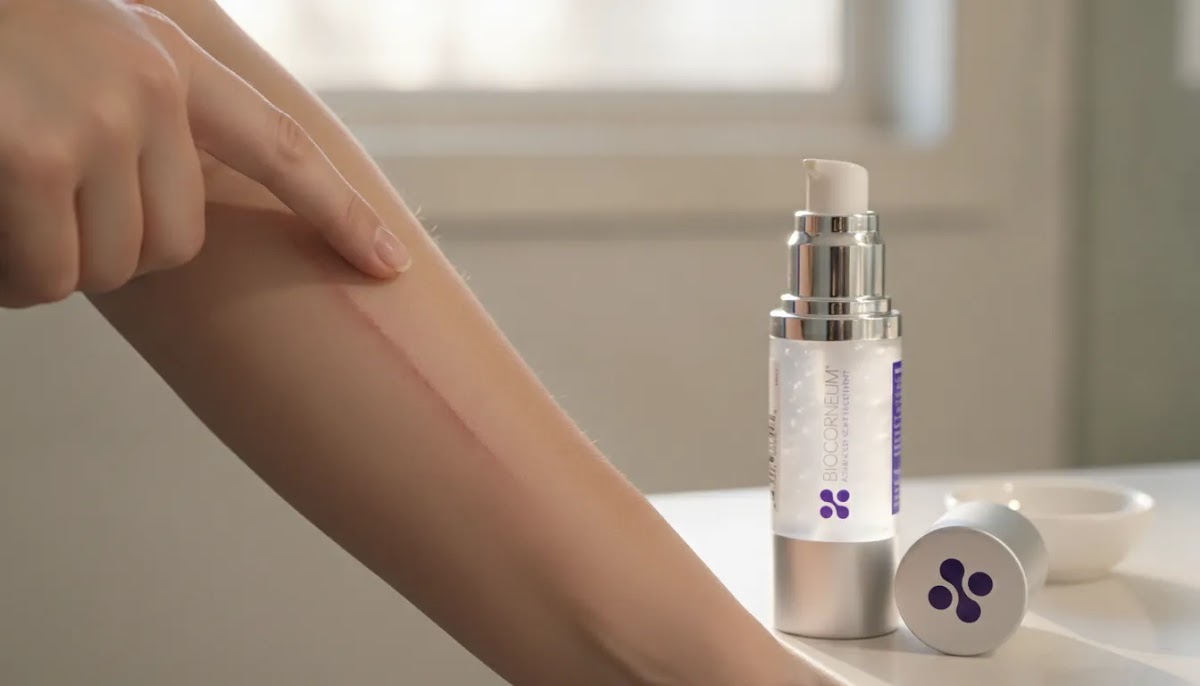
A representative Biocorneum user is often a post-surgical patient. The wound has closed, but the incision still looks unsettling in the mirror. Early scars can appear red, dark, shiny, firm, or slightly raised. Even when healing is normal, that look can feel discouraging.
This article is most relevant for someone with a fresh surgical scar, a healing injury scar, or a scar that still seems active rather than fully settled. It can also help caregivers who want to know whether progress photos show real improvement or just changes in lighting and angle.
For readers exploring the brand more broadly, the BIOCORNEUM section organizes related recovery and scar-care topics.
The Challenge With Biocorneum Before and After Photos
The biggest problem with before and after scar content is simple. Two images can flatten a long healing process. A scar may look better because swelling went down, because the camera angle changed, or because the “before” photo was taken when redness was near its peak.
That does not make progress photos useless. However, they need context. A trustworthy evaluation asks four questions:
- How old was the scar at the starting point?
- Was the wound fully closed before treatment began?
- How consistently was the product used?
- What exactly improved: color, height, firmness, itch, or overall visibility?
Without those details, “results” can sound more dramatic than they are. That is why real-world expectations matter more than a single polished image.
When Biocorneum Treatment Results Can Realistically Begin
One of the most practical questions behind biocorneum before and after searches is whether the scar was actually ready for treatment when the “before” phase started. In general, silicone scar gel is used only after the incision or wound is fully closed. There should be no open areas, no drainage, and no fragile spots that still need basic support. The exact timing varies by procedure and body area, so your surgeon’s or dermatologist’s instructions should guide you.
The first 1 to 2 weeks after surgery usually focus on your clinician’s wound care plan, not on rushing into scar gel. That often means keeping the area clean, protected, and monitored while the incision seals and early inflammation settles. Patients sometimes assume faster is always better. However, wound care and scar care are not the same stage. Starting a topical product too early may disrupt the recovery plan your surgeon wants you to follow.
Normal early healing may include mild redness, tenderness, swelling, bruising, or a slightly firm feel around the incision. Those signs do not automatically mean something is wrong. On the other hand, open spots, increasing drainage, wound separation, expanding redness, or anything unusual for your recovery plan deserves medical review before you begin topical scar treatment. If you are unsure, check with your healthcare provider first. You can also review these basics of wound care.
Biocorneum Before and After Timeline
Below is a representative, clinically realistic timeline for how Biocorneum-style scar results may unfold. It is not a guarantee. It also does not replace your surgeon’s guidance. Still, it reflects the pattern many patients hope to see.
Biocorneum before and after phase 1: Start only after wound closure
Before you apply any scar product, your surgeon or dermatologist should confirm that your wound has healed enough. Then they can decide whether topical treatment fits that stage. Silicone gel is often the go-to option once the area is ready. Timing matters. If you apply it to an open or incompletely sealed wound, you may reduce safety and effectiveness.
Biocorneum results in weeks 1 to 2 of scar treatment
At this stage, most changes are subtle. Patients may notice less tightness or a slightly calmer look as the silicone film protects the area and helps hold moisture. Visual improvement is usually modest this early.
Biocorneum results in weeks 3 to 6
This is often when the first useful comparison photos appear. In a favorable response pattern, redness may soften, the scar edges may look calmer, and a mildly raised incision may start to flatten. Often, patients notice these changes more easily in person than on camera.
Biocorneum reviews before and after: Weeks 7 to 12
This is the window many patients mean when they search for biocorneum reviews before and after. If treatment has been consistent, the scar may look smoother and less prominent against surrounding skin. Raised scars may keep settling, though thicker or high-tension scars can take longer.
Biocorneum scar results at months 3 to 6 and beyond
Longer-term remodeling is where the most credible before and after comparisons often come from. A scar may keep flattening, softening, and fading in color. Older or more aggressive scars, including hypertrophic scars, may still improve gradually, but they often need more time and closer medical follow-up.
If you are deciding whether consistency fits your routine, this guide on how to use biocorneum is a practical next step.
Sun Protection and Biocorneum Before and After Photos
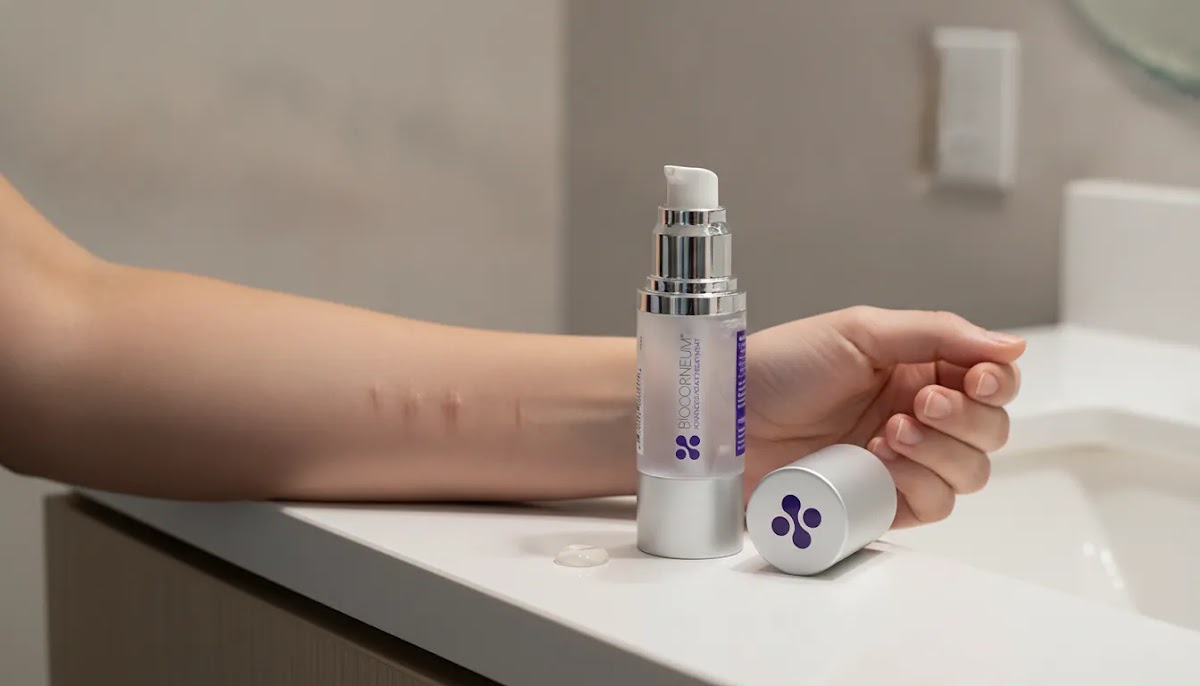
Topical treatment is not the only factor that shapes scar color. Healing scars may darken or stay more noticeable with sun exposure, especially during active maturation. Because of that, a fair before and after comparison should consider UV exposure, not just product consistency.
If your scar sits in an area that gets sunlight, follow your healthcare provider’s post-op guidance to protect it. That may support a more even-looking result over time. Some patients are surprised when a scar that seemed to improve stays pinker or turns darker after regular sun exposure. That does not always mean the product stopped working. Instead, the scar may be reacting to UV light while it is still vulnerable.
Sun protection strategies depend on the procedure, the body site, and your stage of healing. Your surgeon or dermatologist can tell you when the area is ready for sunscreen, clothing coverage, or other protection. For more background, see the AAD sunscreen guidance and this article on sunscreen for scars.
Biocorneum Results: What Changed and What Did Not
In a realistic “after” outcome, the most common positive changes are:
- Less persistent redness
- Reduced raised appearance in some scars
- Softer, more flexible scar texture
- Better blending with nearby skin over time
What usually does not happen is complete disappearance. A scar may become less noticeable, but it often remains visible at close range. That is a more credible standard for reviewing biocorneum scar transformation claims.
What worked in representative patient-style outcomes was usually early but appropriate timing, regular use, and patience through a long remodeling window.
What did not work was expecting dramatic change after only a week or two, applying the product inconsistently, or judging progress from memory instead of same-angle photos with similar lighting. Another common mismatch appears when patients expect a topical product to fix problems that need medical review, such as widening under tension, unusual inflammation, or a suspected keloid, meaning a scar that grows beyond the original wound edges.
If your scar is surgery-related, the Surgery Scars section may help you compare recovery patterns by procedure type.
Pros and Cons
Strengths
- Built around silicone, the topical scar care ingredient category most commonly supported by dermatology and surgical guidance.
- Fits patients who want a professional-grade at-home option rather than relying on unproven cosmetic scar creams.
- Most realistic “before and after” improvements align with clinically meaningful scar goals such as less redness, less thickness, and smoother texture.
- Can be a practical alternative for patients who prefer gel over silicone sheets because of placement, visibility, or adherence concerns.
- The 30g format may make sense for patients managing a defined surgical scar or a focused treatment area.
Considerations
- $84.95 may feel expensive compared with standard over-the-counter scar products.
- Results take time, often weeks to months, which may frustrate patients hoping for quick visual change.
- Before and after expectations can become unrealistic if the scar is older, highly raised, genetically prone to keloid formation, or exposed to ongoing tension.
- It is not a substitute for professional care if a wound is not closed, looks infected, or is healing abnormally.
Who This Biocorneum Before and After Evaluation Is Best For
This evaluation is best for post-surgical patients, people recovering from injuries, and caregivers who want a clear picture of what biocorneum patient results may look like over time. It is especially useful if you are comparing silicone gel with less evidence-based scar products and want something aligned with mainstream scar-management standards.
It may be less useful if you are looking for acne scar resurfacing, rapid cosmetic correction, or treatment for an open wound. Those situations often follow different treatment paths. In that case, the best next step may be a dermatologist or surgeon visit rather than a topical product search alone.
How to Judge Biocorneum Before and After Results Fairly
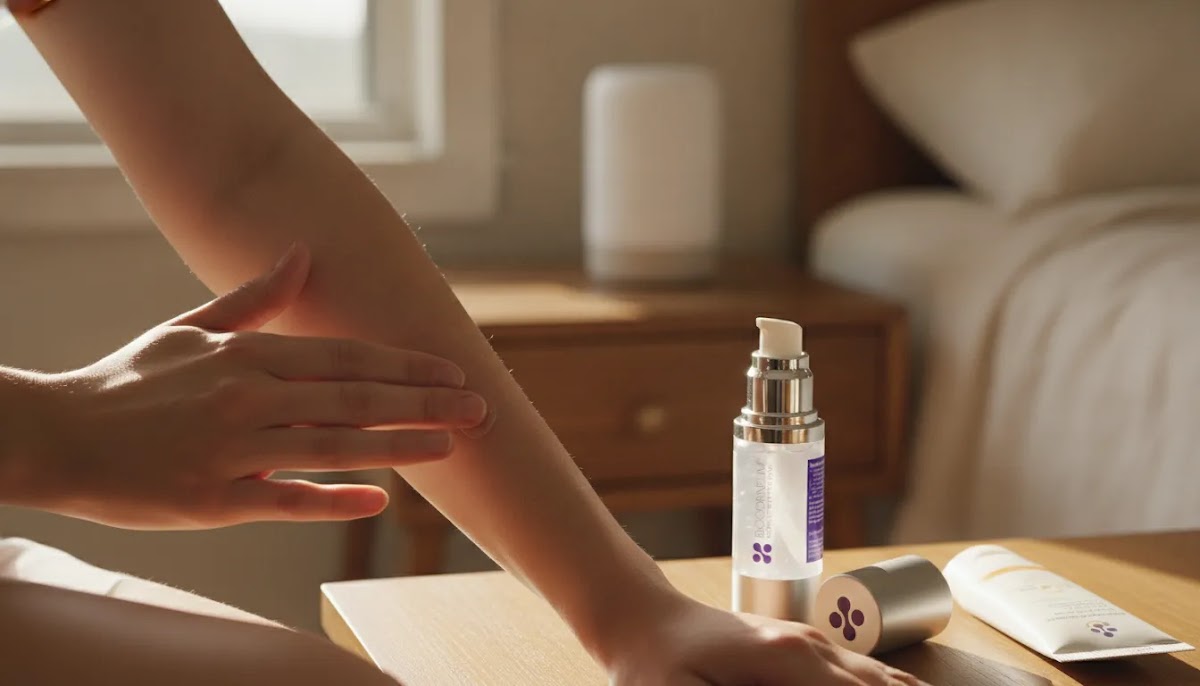
Many scar products sound similar on a label, but their likely results are not always equal. If you are weighing Biocorneum against other options, four criteria matter most.
1. Clinical support for the active approach
Silicone has the strongest standing among topical scar treatment categories. Scar oils, vitamin blends, and botanical creams may appeal to some patients. However, they do not usually have the same level of guideline support for scar management.
2. Ease of daily use
A product only helps if you can stay consistent. Some patients do well with sheets. Others find a gel easier for visible areas, curved body regions, or scars that are awkward to cover. Ease of use affects compliance, and compliance affects results.
3. Scar type and age
A newer post-surgical scar often responds differently than an old, established scar. A flat pink scar is different from a thick hypertrophic scar. A topical product may support remodeling, but it may not be enough for every scar pattern.
4. Recovery context
Scars on the abdomen, joints, chest, and shoulders may behave differently because of skin movement and tension. That is one reason before and after photos should be compared with scars in a similar body area and stage of healing.
5. Expectations about time
The best scar treatment decisions are rarely based on one dramatic image. Instead, they depend on whether a product has good evidence, fits your scar, and feels realistic for consistent use over a meaningful timeline.
If you have decided Biocorneum may fit your recovery plan, the most useful next steps are learning where to buy biocorneum and confirming with your clinician when to begin.
Frequently Asked Questions
How long does it usually take to see Biocorneum results?
Many patients look for visible improvement within several weeks, but more meaningful scar changes often develop over months. Early differences may include less redness or a smoother look. Later remodeling can bring more flattening and softening. Results depend on scar age, location, tension, and consistency. Your surgeon or dermatologist can help set expectations for your specific scar.
Are Biocorneum before and after photos reliable?
They can be helpful if the photos are taken at similar angles, in similar lighting, and across a realistic timeline. The most reliable comparisons also explain when treatment started and how often it was used. Photos without context can exaggerate change or hide normal healing patterns that would have improved to some degree on their own.
Can Biocorneum completely remove a scar?
No topical scar gel should be expected to completely remove a scar. Evidence suggests silicone may help improve scar appearance by supporting a flatter, softer, less noticeable result over time. A scar can still remain visible, especially if it is older, wider, under tension, or prone to raised healing.
Does Biocorneum work better on new scars or old scars?
Many scar therapies tend to work best when used on a healing scar at the right stage, after the wound has closed and your clinician says topical treatment is appropriate. Older scars may still improve, but progress is often slower and sometimes more limited. The scar’s thickness, color, and maturity all influence what kind of change is realistic.
What kinds of scars may respond to silicone gel?
Silicone gel is commonly used for surgical scars, injury scars, burn scars, and some hypertrophic scars. It is not the same as treatment for acne pitting, deep atrophic scarring, or every form of discoloration. Those concerns may call for a different treatment plan, sometimes including procedures rather than topical care alone.
What if I do not see a major change right away?
That does not automatically mean the product is failing. Scar remodeling is gradual, and the first visible shifts are often subtle. Compare progress with photos taken every few weeks rather than checking the mirror daily. If the scar becomes increasingly raised, symptomatic, or otherwise concerning, check in with your surgeon or dermatologist.
Is silicone gel better than scar creams without silicone?
Research shows meaningful differences in clinical support across scar product categories. Silicone stands out as the most studied topical option for scar management. That does not rule out every alternative. Still, many scar creams rely more on marketing than on strong clinical validation. If you want the most evidence-backed starting point, silicone-based formulations usually make the most sense.
Where can I learn more before buying?
You can review broader scar education in the Biocorneum hub, read usage guidance, and compare whether a silicone-based plan fits your recovery stage. Product research works best when you pair it with your clinician’s advice, especially if your incision is recent or your scar has unusual redness, thickness, itching, or extension beyond the wound edges.
Does BIOCORNEUM actually work?
For many patients, silicone-based scar treatment may help improve how a scar looks and feels over time, especially when it starts after full wound closure and continues consistently. The most realistic improvements are usually less redness, a flatter raised area, and softer texture, not complete removal. Because scar behavior varies by person and procedure, your surgeon or dermatologist can help you judge whether BIOCORNEUM is a good fit for your scar.
How long should you use BIOCORNEUM?
Scar treatment is often measured in months rather than days. Many patients use silicone gel through an active scar maturation period, which may continue for 3 to 6 months and sometimes longer, depending on the scar. Some scars keep remodeling for 6 to 18 months. The most appropriate duration depends on how your scar is healing, so follow your healthcare provider’s guidance rather than stopping on an arbitrary date.
What should I do in the first 1 to 2 weeks after surgery before starting scar gel?
The early priority is usually basic wound care directed by your surgeon, such as keeping the incision clean, protected, and monitored while it closes. This is generally not the stage to start scar gel unless your clinician specifically tells you to do so. If you are unsure whether the incision is ready, or if you notice drainage, separation, or increasing redness, contact your healthcare provider before applying any topical scar treatment.
Can sun exposure affect my scar results while using BIOCORNEUM?
Yes, it can. Healing scars may darken or stay more noticeable with UV exposure, which can influence how fair a before and after comparison looks over time. Protecting the area according to your surgeon’s or dermatologist’s instructions may help support a more even-looking scar. Ask your healthcare provider when the area is ready for sunscreen or other sun protection measures based on your stage of healing.
Key Takeaways
- Real biocorneum before and after results are usually gradual, not dramatic in the first few days.
- The most credible improvements are reduced redness, smoother texture, and a flatter scar profile over time.
- Consistent use after proper wound closure tends to matter more than chasing fast results.
- Before and after photos are most useful when timing, lighting, and scar stage are comparable.
- Silicone gel is commonly recommended because it aligns with established topical scar-management guidance.
Conclusion
Biocorneum before and after searches reflect a simple concern: you want to know whether scar care may lead to visible improvement. Based on how clinicians usually evaluate silicone scar treatment, the most realistic answer is yes, it may help. However, the best results are usually gradual and closely tied to timing and consistency. If you are considering BIOCORNEUM SiliSilk Advanced Scar Gel, 30g, pair that decision with guidance from your surgeon or dermatologist, especially if your scar is new or healing has been uneven. A measured plan usually tells you more than a dramatic photo ever will.
The information presented here serves educational purposes and should not be interpreted as professional medical guidance. Before you start any scar care regimen or post-operative nutritional protocol, it is essential that you speak with your surgeon, dermatologist, or other qualified healthcare professional.


