

Scar Revision Before and After: Realistic Results & Recovery
Scar revision before and after results can mean a flatter, narrower, or more comfortable scar, not invisible skin. In this representative case, an adult chose an in-office revision for a mature raised surgical scar and followed a surgeon-guided plan for 12 months. The result blended more naturally with nearby skin, though a fine line and color difference remained.
That distinction matters: scar revision can improve a scar's appearance, symptoms, or function, but it creates a new healing wound that also needs time and careful aftercare. For a wider view of available options, see this scar removal procedures overview.
| Recovery point | What this representative case showed |
|---|---|
| First one to two weeks | Protect the new incision, follow cleansing and dressing instructions, and limit stretching or pulling. |
| After full wound closure | The surgeon approved topical scar care, including a silicone-based treatment. |
| 12 months | The revised scar was flatter and narrower, with less friction-related tenderness, though it remained visible. |
Background: Why This Patient Considered Revision
The representative patient was an adult who had healed from a procedure more than a year earlier. The original incision closed without an urgent wound complication. Still, the resulting scar remained raised, wider in one section, and visibly redder than the nearby skin. Clothing friction caused intermittent tenderness, and the scar's location made the patient feel self-conscious during activities that exposed the area.
Before pursuing a scar revision procedure, the patient had tried waiting for continued maturation, regular sun protection, and basic moisturizers. These steps supported general skin comfort, but they did not meaningfully change the scar's width or raised contour. A consultation with a board-certified surgeon helped clarify the goal: improve the scar's position and texture where possible, rather than promise invisible skin.
Scar revision may involve surgical excision and re-closure, laser treatment, steroid injections, dermabrasion, or other approaches. The right option depends on scar type, location, skin tone, symptoms, prior treatment, and whether the scar is still actively changing.
Questions to Ask at a Scar Revision Consultation
A scar revision consultation is an opportunity to define what improvement would be most meaningful for you. Some patients prioritize less pulling or discomfort. Others want a flatter contour, a narrower line, better scar direction, or less noticeable color variation. Sharing that priority helps the surgeon explain which feature may be most treatable.
Ask whether you are a candidate for revision now or whether waiting for more scar maturation makes sense. You may also ask where your surgeon would place the new incision and which anesthesia they may use. Ask how much downtime to expect and when you can return to work, bathing, exercise, and lifting. These details depend on the procedure and body area, so your surgeon's instructions should guide your plan.
Also ask about recurrence risk, particularly if you have a history of hypertrophic scars or keloids. Your surgeon can explain whether they may recommend additional treatment after surgery. Ask to review before-and-after photographs taken at comparable stages of recovery and under consistent lighting. This can provide a more realistic view of healing than images captured at different angles, distances, or time points.
The Challenge With the Original Scar
The patient’s scar had features consistent with a hypertrophic scar, meaning scar tissue that becomes raised and thick but generally stays within the original wound boundaries. This differs from a keloid, which extends beyond the original injury and has a higher chance of returning after treatment. A clinician must assess that distinction before recommending revision.
The practical challenge was that revision would replace one mature scar with a new incision. The surgeon explained that they do not judge a successful procedure only by the first few weeks of healing. Early redness, firmness, itching, and swelling may occur as the body moves through inflammation, proliferation, and remodeling. Remodeling is the longer stage. During it, collagen, the structural protein in healing skin, reorganizes over time.
The patient also needed to pause expectations shaped by highly edited scar revision before after photos. Lighting, camera distance, skin tension, makeup, timing, and differences in individual healing can make a scar appear more or less prominent in a picture. A meaningful comparison uses similar angles and lighting and tracks symptoms alongside appearance.
Scar Revision Before and After: The Plan and Recovery

Phase 1: Consultation and preparation
The surgeon examined the scar’s thickness, direction, tension, pigmentation, and surrounding skin. Because the scar was stable and localized, the surgeon planned surgical revision with careful re-closure. The patient received individualized instructions about medications, activity limits, incision care, and warning signs that would require prompt medical attention.
A scar under high tension may be more likely to widen after revision. For that reason, the plan included avoiding early stretching and following restrictions on exercise and lifting. The patient also discussed a possible nonsurgical treatment later if redness or texture changes persisted.
Phase 2: The procedure and first weeks
The revision procedure removed or rearranged the existing scar tissue and created a new, more carefully positioned closure. The exact technique varies. Some scars benefit from excision and a straight-line closure. Scars crossing natural skin tension lines may require a geometric technique such as Z-plasty to redirect tension.
During the first weeks, the patient focused on wound care, not cosmetic scar treatment. The patient kept follow-up appointments and followed the surgeon’s dressing and cleansing instructions. The patient also avoided topical scar products until the incision fully closed and the surgeon approved them. Open areas, drainage, worsening pain, spreading redness, or fever require medical guidance rather than self-treatment.
Phase 3: Early scar management
Once the surgeon confirmed that the incision had fully healed, the patient began a consistent home routine. This included sun avoidance through clothing or provider-approved protection, activity modifications, and a silicone-based scar treatment. Clinicians commonly recommend silicone in scar management because it forms a protective layer over intact skin. It may also help support hydration and a more favorable scar environment.
The patient also understood that a topical product could not correct an infection, reopen a wound, or replace follow-up care. It was one part of a broader recovery plan.
Phase 4: Monitoring the scar’s direction
At follow-up visits, the surgeon assessed whether the new scar was flattening, widening, becoming unusually raised, or developing pigment changes. The patient took monthly photos in the same room, at the same distance, and without filters. This made gradual changes easier to evaluate than relying on memory alone.
If redness, texture, or thickness remained a major concern after healing, the next discussion could include laser scar treatment or microneedling for scars. A qualified clinician should time and select these procedures because they address different scar features.
What to Expect During the First Two Weeks of Recovery
The first one to two weeks after scar revision focus on protecting the new incision while the skin begins to close. Follow your surgeon's instructions for cleansing, dressings, medication, and follow-up visits. The appropriate routine can differ based on the revision technique and location. Limiting activities that stretch or pull on the incision may help reduce tension during this early stage.
Temporary redness, swelling, bruising, tightness, and tenderness can be part of normal early healing. The incision may also feel firmer than expected as new collagen develops. Drainage, spreading redness, fever, or pain that worsens rather than improves needs prompt assessment by the surgical team.
Follow your surgeon's procedure-specific guidance for bathing restrictions, sleeping position, returning to work, exercise, and lifting. A revision near the face, chest, abdomen, joint, or another area that moves frequently may require different precautions. Do not begin massage, silicone gel, or other topical scar care until the incision fully closes and your healthcare provider confirms it is appropriate. For a closer look at healing stages, see our scar healing timeline.
Scar Revision Before and After: The 12-Month Result
At 12 months, the revised scar was flatter and narrower than the original scar, with less visible elevation under side lighting. The patient described less friction-related tenderness and greater comfort wearing fitted clothing. The scar was still visible, particularly in bright light, and its color had not matched the surrounding skin perfectly. The surgeon discussed those remaining differences before the procedure. They fell within the patient’s revised expectations.
What worked in this case
- The patient waited until the original scar had matured enough for a meaningful surgical assessment.
- The treatment goal was specific: reduce elevation, improve line direction, and address localized discomfort.
- Follow-up visits identified changes early and kept the recovery plan individualized.
- Activity restrictions reduced avoidable tension across the new incision.
- Consistent care began only after the skin had fully closed and the surgeon approved it.
What did not work as expected
- The patient expected the scar’s pink color to fade sooner than it did. Color changes often take longer than the initial wound closure.
- A moisturizing product used before revision improved dryness but did not alter the established raised tissue.
- The patient found it difficult to avoid checking the scar daily, even though monthly standardized photos gave a clearer picture of progress.
- Revision did not restore the skin to its pre-injury appearance, and it did not eliminate the need for sun protection or ongoing observation.
This case illustrates why scar revision results should be measured against the original concern, not against an expectation of flawless skin. For some patients, the worthwhile change is less pulling or tenderness. For others, it is a better scar line, a flatter profile, or an option to wear clothing more comfortably.
Where Nonsurgical Options Fit

Scar revision surgery is not the only way to address a bothersome scar. A clinician may suggest a less invasive option when the main concern is color, surface texture, mild thickening, or an atrophic scar that sits below the skin. Atrophic scars are indented scars, often seen after acne or chickenpox. Clinicians treat them differently from raised scars.
Clinicians may consider laser procedures for redness, pigment variation, or texture in selected patients. Microneedling creates controlled micro-injuries that may support collagen remodeling for some scar types. However, it is not appropriate for every new, unstable, or raised scar. Steroid injections may help certain hypertrophic scars or keloids. Surgeons may prefer surgical revision when a scar is widened, poorly positioned, tethered, or causing functional restriction.
The trade-off is important. Procedures can offer targeted changes that topical care cannot provide. But they involve cost, recovery time, and potential side effects such as pigment changes, recurrence, or delayed healing. A discussion with a surgeon or dermatologist should focus on the feature you most want to improve and the risks that matter for your skin and medical history. The American Society of Plastic Surgeons explains scar revision options as well.
Choosing Between Revision Surgery and Combined Treatment
Some scars respond best to a staged plan rather than a single procedure. A surgeon may recommend revision surgery to improve a widened, tethered, or poorly directed scar. After the incision fully closes and the surgeon approves topical treatment, they may add silicone-based scar care. In selected cases, clinicians may also manage raised scar tissue with steroid injections. They may consider laser treatment for persistent redness or pigment variation after healing.
Depressed scars may require a different approach. For selected atrophic scars, a clinician may discuss filler to improve contour, often alongside procedures that support collagen remodeling. Scars in high-tension areas, scars that restrict movement, keloids, and scars with ongoing pigment concerns may need a more tailored plan. Each feature can respond differently to treatment.
Ask your surgeon which scar feature is most likely to improve and what recurrence risk applies to your scar type. Also ask whether one procedure or staged treatment may be more appropriate. Your medical history, skin characteristics, location of the scar, and prior healing pattern all help determine the safest and most useful approach.
Supporting a New Scar at Home
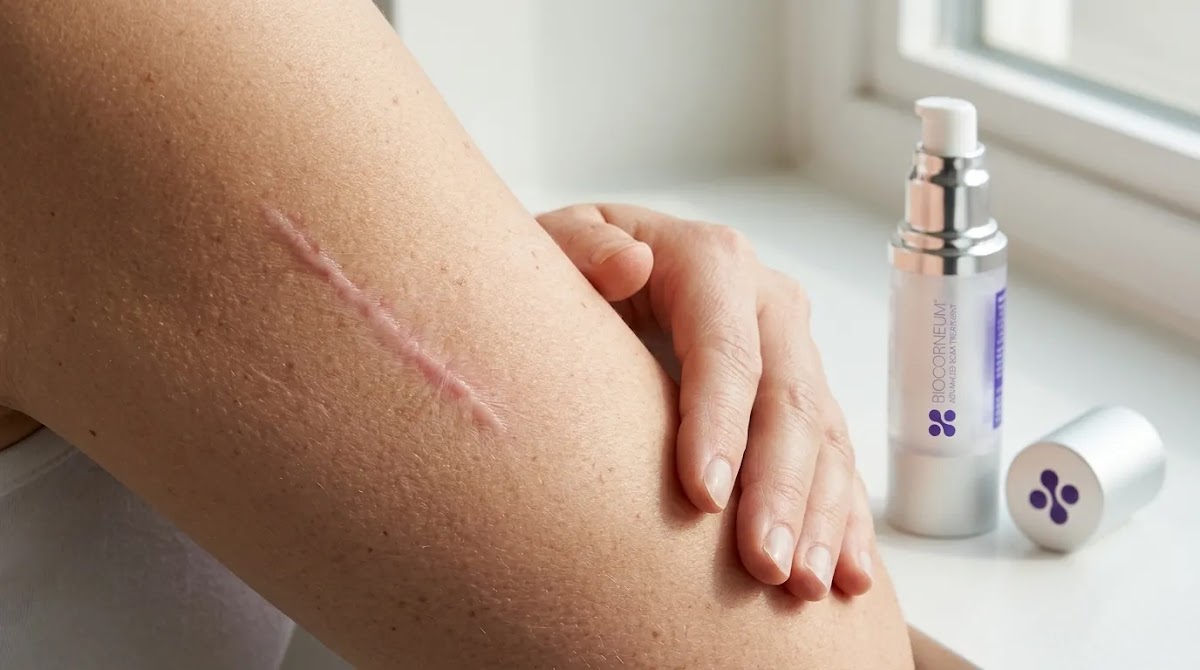
Once your surgeon gives the go-ahead for topical care on a fully healed revision incision, a silicone gel can be easier to manage than sheeting in spots where staying in place is a challenge. That's where BIOCORNEUM SiliSilk Advanced Scar Gel, 30g comes in, a professional-grade, silicone-based formula designed to support a surgical scar as it heals under your provider's direction. It's especially well-suited for patients who want a straightforward, at-home addition to their recovery routine. As always, apply only to skin that has fully closed, and follow your clinician's recommendations on timing and use.
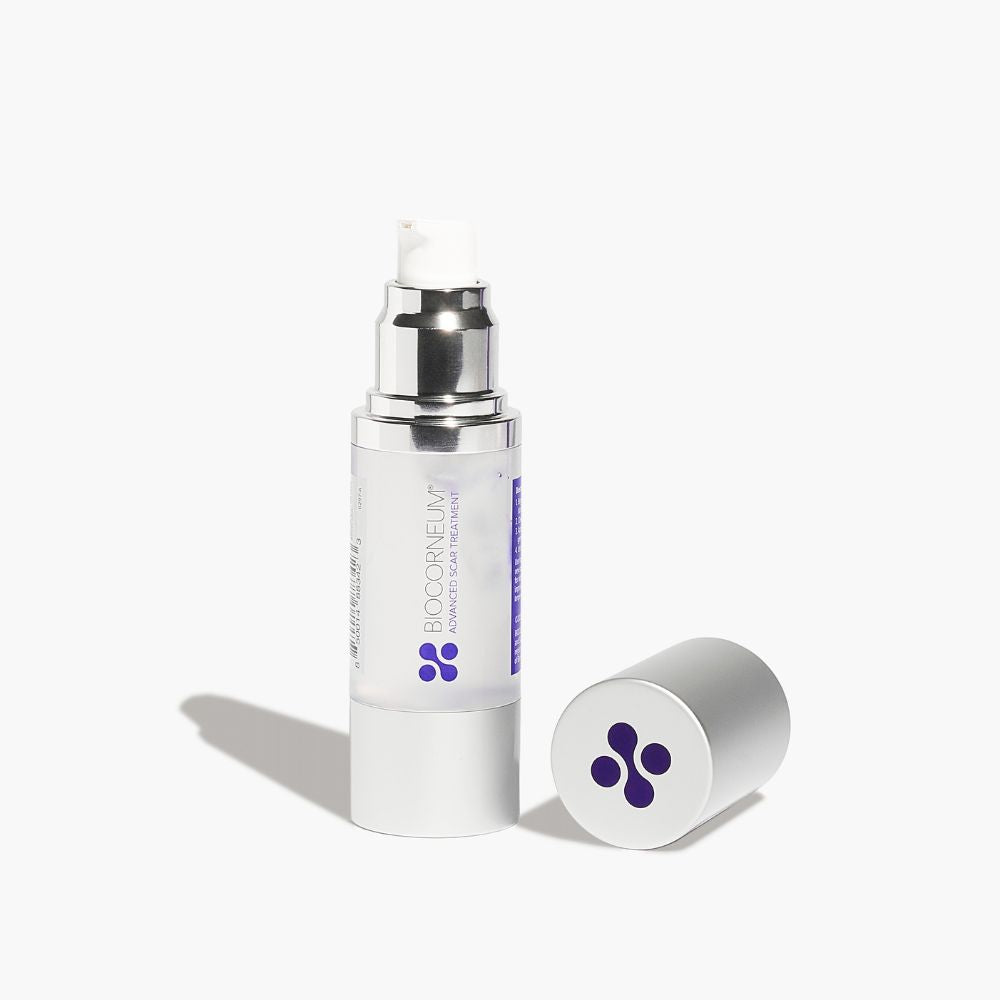
For more context on how providers use this treatment category during scar care, read about silicone gel for scars. The priority remains the same after any revision procedure: protect the incision, follow postoperative instructions, and contact your care team if healing does not seem to be progressing as expected.
Pros and Cons
Strengths of scar revision
- May improve a scar’s width, direction, elevation, or tension when the scar is suitable for treatment.
- Can address symptoms such as pulling, friction-related discomfort, or restricted movement in selected cases.
- Allows a clinician to tailor the technique to the scar’s location, shape, and cause.
- May be combined with postoperative scar management or other procedures when clinically appropriate.
- Offers a more targeted option than topical treatment alone for certain mature structural scar concerns.
Considerations before proceeding
- Revision creates a new wound and a new scar, so the recovery process begins again.
- Results can be affected by scar type, skin tone, location, tension, healing history, and adherence to aftercare.
- Scars can remain visible, and raised scars or keloids may recur after treatment.
- Costs, downtime, anesthesia needs, and treatment availability vary by procedure and location.
- Some patients may need more than one treatment modality to address color, thickness, texture, or symptoms.
Frequently Asked Questions
How long does it take to see final scar revision results?
The incision may look closed within weeks, but the appearance of a revised scar often continues to change for many months. Early firmness and color changes can make a scar look more noticeable before it settles. Your surgeon can provide a more individualized timeline based on the procedure, body area, tension on the incision, and your history of healing.
Can scar revision make a scar invisible?
No procedure can reliably make a scar invisible. Scar revision may improve specific features, such as a widened line, raised tissue, unfavorable direction, or tightness. The most realistic goal is usually a scar that is less noticeable or more comfortable than before. A surgeon should explain what can reasonably be improved in your particular scar.
When can I start silicone gel after scar revision?
Before reaching for a scar gel, wait for the green light from your surgeon or dermatologist. They can confirm that your wound has closed completely and is ready for topical treatment. The right moment to begin depends on the type of procedure you've had and how your individual healing is progressing. Avoid scar gel on open incisions, draining wounds, skin with signs of infection, or any area your provider has not specifically approved for treatment.
What is the difference between scar revision and laser treatment?
Surgical scar revision changes the scar through excision, re-closure, or tissue rearrangement. Laser treatment often addresses redness, pigment variation, or surface texture. Some patients may benefit from both approaches at different stages. The clinician managing the scar should determine the order and timing.
Is scar revision appropriate for a keloid?
Keloids require careful planning because they can extend beyond the original wound and may recur after surgery. A clinician may recommend combined management, which can include injections, pressure therapy, silicone, radiation in selected medical settings, or other approaches. Do not assume that excision alone is the best option for a suspected keloid.
How much does scar revision cost?
Scar revision cost varies based on the scar’s size and location, the technique used, anesthesia, facility fees, geographic area, and whether treatment is considered medically necessary. A consultation is the most reliable way to receive an estimate. Ask whether follow-up visits, scar care products, and possible additional procedures are included in the quoted cost.
Are scar revisions worth it?
Scar revision may be worthwhile if a scar causes discomfort, tension, restricted movement, clothing friction, or a concern that treatment can specifically address. The value depends on your goal, the scar's type and location, the expected recovery period, recurrence risk, and whether the likely improvement feels meaningful to you. A qualified surgeon or dermatologist can help you weigh these factors based on your individual scar.
How long does a scar revision last?
Scar revision creates a structural change that is intended to last. Still, the new scar continues to mature over many months and can change as healing progresses. A scar may widen, become raised, or develop color variation depending on tension, scar type, location, and individual healing. Continued follow-up and clinician-approved scar management may help guide the recovery process.
How painful is scar revision surgery?
Discomfort varies with the scar's location, the technique used, and the type of anesthesia. Many patients experience tenderness, tightness, swelling, or soreness during the early recovery period. The surgical team can explain the pain-management plan before the procedure. Contact your surgeon promptly if pain worsens rather than improves or occurs with other signs of a wound concern.
Key Takeaways
- Realistic scar revision before and after results focus on improvement, not complete scar removal.
- A revised scar needs time to heal, and its early appearance does not represent the final outcome.
- The best procedure depends on the scar’s type, symptoms, location, skin characteristics, and healing history.
- Consistent follow-up, tension reduction, sun protection, and clinician-approved scar care can support recovery.
- Silicone gel may be useful after full wound closure, but it should be part of a provider-guided plan rather than a substitute for medical care.
Conclusion
A scar revision procedure can be a meaningful option for a scar that remains raised, widened, uncomfortable, restricted, or poorly positioned after it has matured. The most useful before-and-after comparison is not a dramatic image. It is a clear understanding of what changed: comfort, contour, scar direction, texture, or confidence in daily life. Set goals with a qualified surgeon or dermatologist. Ask how your scar type affects recurrence risk, then plan for recovery with the same care you gave the original injury or procedure. Once your incision fully heals and your provider approves scar care, you can explore Biocorneum’s silicone-based approach as one potential part of your home routine.
Please note that the content shared here is intended to inform, not to serve as a substitute for professional medical guidance. Before starting any scar treatment regimen or considering a scar revision procedure, it's important to speak with your surgeon, dermatologist, or another qualified healthcare provider who understands your individual needs.


